Karnataka PNG Consumers Report Significant Fuel Loss from Modified Stoves
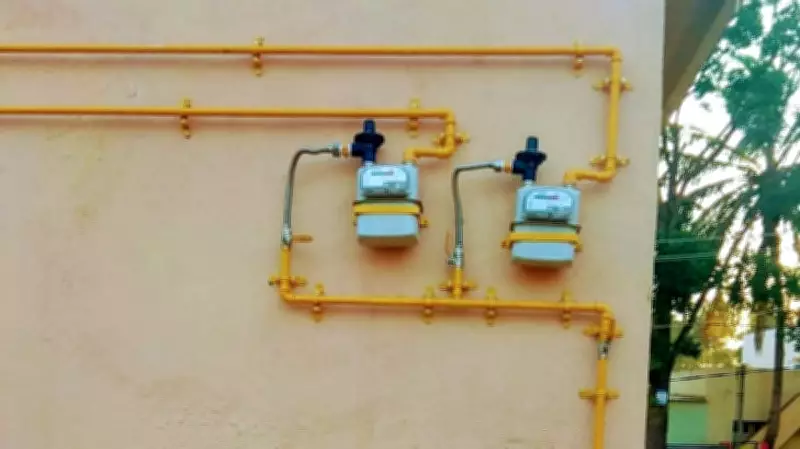
In a concerning development for households across Karnataka, many consumers who have transitioned to Piped Natural Gas (PNG) are experiencing substantial fuel wastage. Reports indicate that these users are losing around 25% of their gas supply due to the retrofitting of their existing LPG stoves. This inefficiency stems from modifications made to the nozzle and burner components during the conversion process.
Understanding the Retrofitting Issue
The problem arises when old Liquefied Petroleum Gas (LPG) stoves are adapted for use with PNG systems. Technicians often alter the nozzle and burner parts to accommodate the different fuel type, but these adjustments are not always optimized for efficiency. As a result, the modified stoves fail to burn the gas completely, leading to significant fuel loss that impacts both household budgets and energy conservation efforts.
This issue highlights a critical gap in the transition to cleaner fuels like PNG, which is promoted for its environmental benefits and cost-effectiveness. Consumers, unaware of the technical shortcomings, are facing unexpected expenses and reduced performance from their appliances.

Impact on Consumers and Energy Policy
The 25% fuel loss represents a major setback for families relying on PNG for daily cooking needs. Not only does it increase their monthly expenditure, but it also undermines the economic advantages often associated with switching from LPG to PNG. Authorities and service providers are urged to address this retrofitting flaw to ensure that the shift to natural gas delivers its promised benefits.