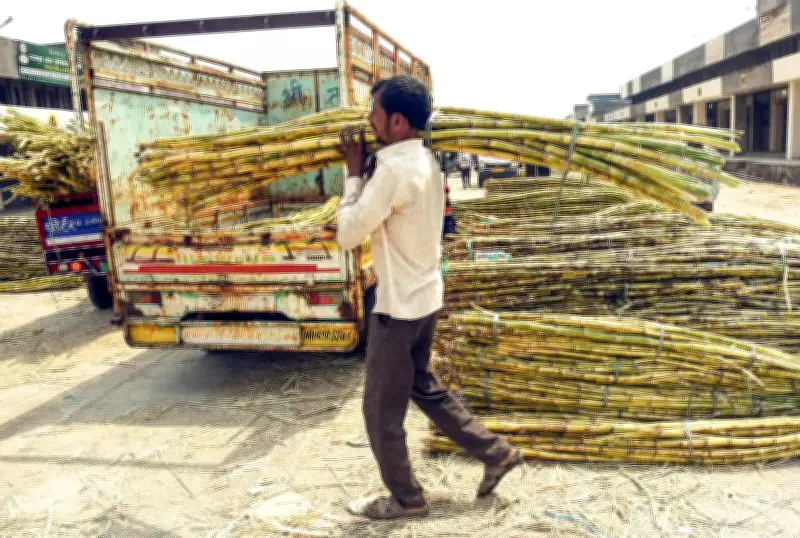
Pilibhit Sugar Mills Conclude Crushing Season, Leaving Rs 309 Crore in Cane Arrears
In a significant development impacting the agricultural sector of Uttar Pradesh, sugar mills in the Pilibhit district have officially closed their operations for the current crushing season. This closure has resulted in a staggering Rs 309 crore in unpaid cane arrears owed to local farmers, highlighting a critical financial crisis in the region's sugar industry.
Details of the Crushing Season Closure
The crushing season, which typically runs from October to March, has come to an end in Pilibhit, with mills ceasing their sugarcane processing activities. According to reports, the total dues accumulated amount to Rs 309 crore, affecting thousands of farmers who rely on sugarcane cultivation as their primary source of income. This situation has sparked widespread concern among agricultural communities and stakeholders.
Impact on Farmers and Agricultural Economy
The unpaid arrears pose a severe threat to the livelihoods of farmers in Pilibhit, many of whom are already grappling with economic challenges. The delay in payments can lead to:

- Financial hardship for farming families, affecting their ability to invest in next season's crops.
- Increased debt burdens, as farmers may need to borrow money to cover expenses.
- Reduced agricultural productivity, due to lack of funds for inputs like seeds and fertilizers.
This issue underscores broader problems in the sugar sector, including fluctuating sugar prices and operational inefficiencies in mills.
Broader Implications for Uttar Pradesh's Sugar Industry
The closure of mills and accumulation of arrears in Pilibhit reflect ongoing challenges in Uttar Pradesh, which is one of India's largest sugarcane-producing states. Similar issues have been reported in other districts, raising questions about the sustainability of the sugar industry and the effectiveness of government policies aimed at supporting farmers.
Authorities and industry experts are calling for immediate interventions to address the arrears, such as:
- Expediting payment processes through government schemes or mill initiatives.
- Implementing stricter regulations to ensure timely settlements in future seasons.
- Providing financial assistance to affected farmers to mitigate short-term impacts.
As the situation unfolds, stakeholders are closely monitoring developments, hoping for resolutions that can alleviate the distress faced by the farming community in Pilibhit and beyond.