The Petroleum and Explosives Safety Organisation (Peso) has ushered in a significant digital transformation for India's explosives manufacturing sector. Announced in Nagpur, these reforms are designed to simplify licensing, enforce stricter safety protocols, and boost the industry's global competitiveness through streamlined digital processes.
Key Digital Initiatives Announced
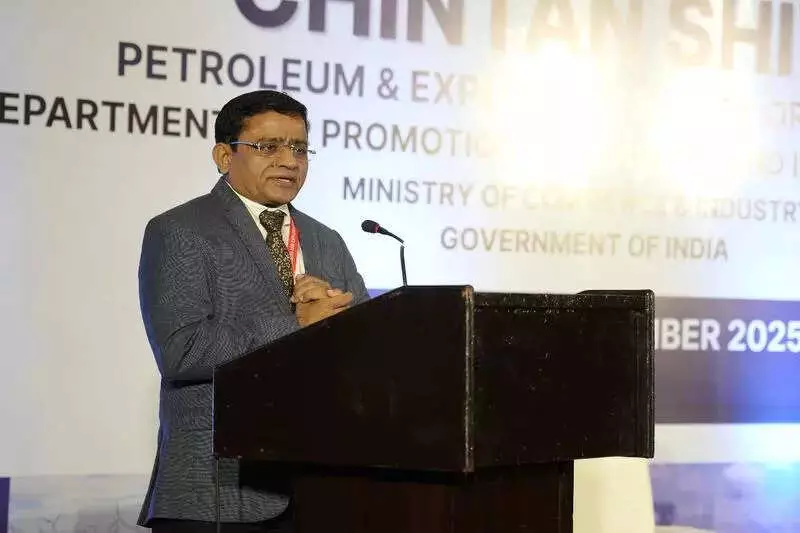
Chief controller of explosives RN Meena unveiled the new measures on Monday during a one-day Peso conference focused on safety in petroleum, gas, hydrogen, and explosives. The cornerstone of the reform is the shift to online licence procurement through the government's National Single Window System (NSWS).
This move promises to bring unprecedented transparency and efficiency. Manufacturers will now receive digital licences, benefit from fixed service timelines for approvals, and enjoy extended validity periods. In a major relief for businesses, certified flame-proof equipment will receive one-time approvals, reducing repetitive paperwork.

Enhanced Safety and Tracking Mechanisms
Beyond licensing, Peso is implementing robust safety and monitoring frameworks. Periodic inspection and barcoding of cylinders have been mandated to ensure traceability and prevent mishaps. Meena highlighted other recent advancements that strengthen the safety ecosystem, including simplified regulations for hydrogen and LNG, the introduction of the System for Explosives Tracking and Tracing (SET), and the increasing adoption of electronic detonators.
"Continuous reforms have strengthened industrial safety and reduced procedural hurdles," stated Meena. He emphasized that these steps not only enhance safety but also empower Indian industries to compete on the world stage, thereby reinforcing the vision of Atmanirbhar Bharat.
Peso's Legacy and Supporting Infrastructure
Meena underscored the regulator's 127-year legacy of technical expertise and its extensive nationwide presence. He pointed to key institutions that back the industry's growth and safety, such as the Fireworks Research and Development Centre in Sivakasi and the National Academy of Petroleum and Explosives Safety. These centres provide critical testing, training, and guidance on modern safety practices.
Peso, as India's national technical regulatory authority, oversees a vast network of projects including refineries, depots, pipelines, road tankers, and the entire explosives and fireworks industry. The conference was also addressed by DPIIT's director of explosives, Amol Ket, signaling a cohesive governmental push for these transformative reforms.