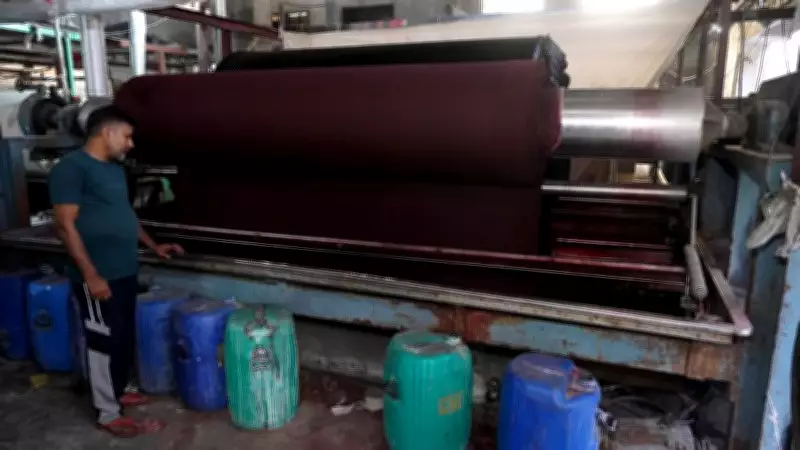
Panipat's textile dyeing units, already grappling with economic hardships, are now facing a new crisis following stringent pollution control directions issued by the Haryana State Pollution Control Board (HSPCB). The directives, aimed at curbing environmental damage, have left many small-scale industrialists in a state of uncertainty and distress.
New Regulations Send Shockwaves
The HSPCB has mandated that all dyeing units must install zero liquid discharge (ZLD) systems within a stipulated timeline. While the intention to protect the environment is laudable, the sudden enforcement has caught many unit owners off guard. The cost of installing ZLD systems is prohibitive for small players, who argue that the government has not provided adequate financial support or transition period.
Impact on Local Economy
Panipat, often called the 'textile city', hosts hundreds of dyeing units that employ thousands of workers. The new rules threaten to shut down many of these units, leading to massive job losses. The ripple effect could cripple ancillary industries such as logistics, chemical supply, and machinery maintenance.

Unit owners have expressed frustration, stating that the pollution board's directions lack clarity and feasibility. Many have invested heavily in existing treatment plants, only to be told they are insufficient. The deadline for compliance is seen as unrealistic, given the financial and technical challenges.
Industry Pleads for Leniency
Representatives of the textile industry have appealed to the Haryana government for a phased implementation and financial assistance. They emphasize that the dyeing sector is already reeling from rising raw material costs and stiff competition from other states. Without government support, many units may be forced to close permanently.
The Panipat Textile Mills Association has proposed a dialogue with the pollution board to find a middle ground. They suggest that common effluent treatment plants (CETPs) could be upgraded collectively, reducing individual burden. However, the HSPCB has remained firm on its stance, citing the need for immediate action to prevent further environmental degradation.
Environmental vs. Economic Concerns
Environmental activists argue that the dyeing industry has long flouted norms, polluting local water bodies and causing health hazards. They support the HSPCB's crackdown, insisting that public health and ecology cannot be compromised for commercial interests. The challenge lies in balancing environmental sustainability with economic viability, especially for a region heavily dependent on textile manufacturing.
As the deadline approaches, tension is palpable in Panipat. Workers fear for their livelihoods, while owners scramble to arrange funds. The coming weeks will determine whether the industry can adapt to the new norms or face a significant downturn.