Nagpur Metro Construction Incident: Concrete Segment Crashes After Equipment Failure
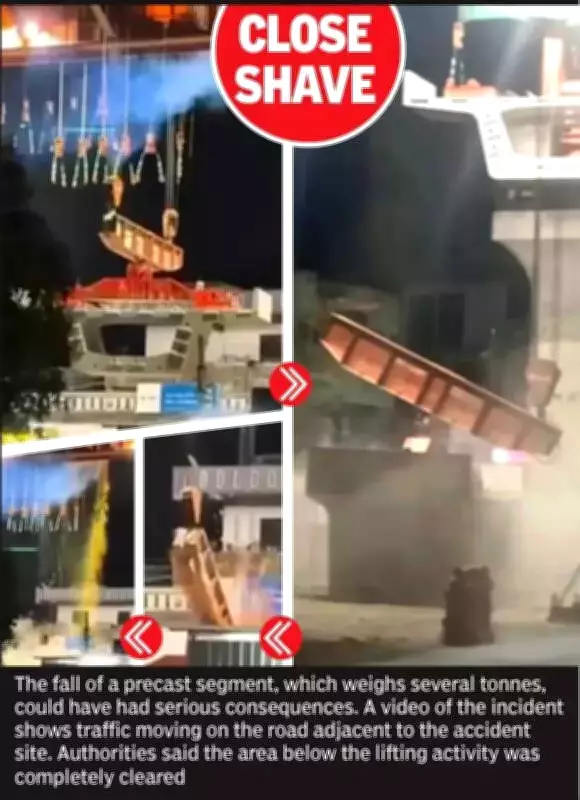
A significant incident occurred during the construction of Phase-II of the Nagpur Metro project on Friday evening when a precast concrete segment crashed to the ground after a critical equipment failure. The accident took place in the Wanadongri area, highlighting potential vulnerabilities in heavy construction machinery.
Timeline and Location of the Accident
The incident unfolded around 7:30 PM at Reach 3A on the Hingna corridor stretch, a busy arterial road near a popular retail supermarket. This location experiences heavy daily traffic, making the containment of the accident particularly crucial. Private contractors were engaged in routine segment erection work using a specialized launching girder at the time.
Sequence of Events Leading to the Crash
According to senior MahaMetro officials, the construction team had successfully placed five concrete segments before encountering problems with the sixth. The left-hand side winch of the launching girder—a mechanical device mounted to the structural beam designed to lift, lower, or pull heavy loads—developed a technical snag while hoisting the segment.

This malfunction triggered the equipment's built-in safety alarm system. Engineers on site immediately detected the fault and attempted to lower the suspended segment in a controlled manner. The concrete block, initially hanging approximately 6 metres above ground level, was gradually being lowered when disaster struck.
At about 2 metres above ground level, the winch wire rope suddenly snapped. This catastrophic failure caused the heavy segment to drop violently to the ground within the barricaded construction zone. Following the wire snap, additional damage occurred as the fuel pipe burst, resulting in significant fuel spillage from the girder onto the road surface.
Safety Protocols Prevent Potential Tragedy
Remarkably, no injuries were reported from this incident. Authorities confirmed that workers were not present under the suspended load at the time of the accident, as safety protocols during such operations require the area below lifting activity to remain completely clear. The incident was contained within the restricted work area, preventing any harm to passersby or construction personnel.
The fall of a precast segment, which typically weighs several tonnes, could have had serious consequences if proper safety measures had not been implemented. This incident serves as a stark reminder of the importance of strict adherence to construction safety protocols in urban infrastructure projects.
Financial Impact and Investigation
The accident resulted in substantial financial losses. A senior official revealed that an order has been placed for a new winch system costing approximately ₹25 lakh. The damaged precast segment itself is estimated to be worth about ₹3 lakh, bringing the total loss from the incident to nearly ₹28 lakh.
Work on the Hingna stretch was immediately halted following the accident. A comprehensive investigation is currently underway to determine the exact cause behind the electro-mechanical failure. Authorities are examining whether the issue resulted from equipment malfunction, maintenance deficiencies, or other contributing factors.
Public Response and Documentation
A video of the incident, captured by a passerby, quickly went viral on social media platforms, drawing public attention to the construction mishap. The visual documentation shows the moment the wire snapped and the subsequent crash, providing valuable evidence for the ongoing investigation.
This incident at the Nagpur Metro Phase-II construction site underscores the challenges and risks associated with large-scale urban infrastructure development. While the safety protocols successfully prevented human casualties, the equipment failure raises important questions about maintenance standards and operational procedures in major construction projects.