Nagpur Hospitality Sector Grapples with Severe LPG Supply Disruption Amid West Asia Conflict
The ongoing war in West Asia has triggered a significant liquefied petroleum gas (LPG) supply disruption that is now severely impacting Nagpur's hospitality sector. Hotel and restaurant owners across the city are reporting a sharp and sustained rise in operational costs, driven by soaring fuel prices and substantially costlier raw materials.
Operational Expenses Surge by 20-30% as Fuel and Food Costs Skyrocket
Industry representatives indicate that overall business expenses have increased by nearly 20-30% over the past two weeks alone. This dramatic spike is primarily attributed to the acute shortage of commercial LPG cylinders, with prices in the open market having almost doubled since the crisis began earlier this month.
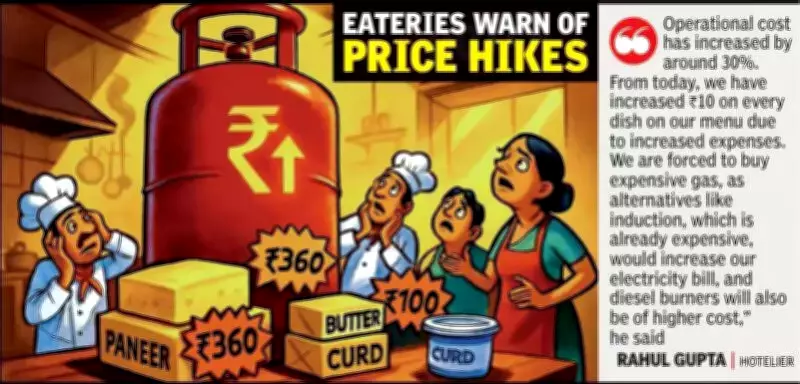
The situation has been exacerbated by parallel increases in essential food items and supplies. Critical ingredients such as paneer (cottage cheese), butter, and curd have witnessed price hikes of up to 40%. Packaging materials have followed a similar trajectory, further straining already tight business margins and profitability.

Supply Chain Breakdown Forces Reliance on Costly Private Market
With regular supply from oil marketing companies (OMCs) effectively halted, hoteliers are being forced to source cylinders from private companies at significantly inflated rates. The limited availability through traditional channels means many establishments are receiving only a fraction of their actual requirements.
"If we ask for three cylinders, we are getting just one," explained restaurant owner Sharique Hafeez, highlighting the severe supply constraints. "We are somehow managing the stock to keep our kitchens running, but the situation has become increasingly difficult to manage."
Hospitality Businesses Explore Alternatives While Resisting Price Hikes
Faced with mounting financial pressure, many establishments have begun exploring alternative fuel options including induction cooktops and diesel burners. However, these substitutes present their own financial challenges, with induction potentially increasing electricity bills substantially and diesel burners representing another costly alternative.
Despite the severe cost pressures, most eateries have so far refrained from increasing menu prices, fearing a potential drop in customer footfall. Restaurant owner Rahul Gupta, who operates multiple establishments in Nagpur, noted his operational costs have increased by approximately 30%.
"From today, we have increased ₹10 on every dish on our menu due to increased expenses," Gupta revealed. "We are forced to buy expensive gas, as alternatives would only shift the cost burden elsewhere."
Sector Braces for Broader Impact as Crisis Persists
With supply constraints continuing unabated and input costs showing no signs of easing, the hospitality sector fears a broader impact on pricing in the coming weeks. Industry players warn that the current approach of absorbing increased costs may not be sustainable for long.
Hafeez echoed this concern, stating: "We have not yet increased prices hoping that things will become smoother, but if the situation persists, our operational costs will increase drastically." His own business has already experienced a 20% spike in operational expenses.
The crisis, which began earlier this month following the escalation of conflict in West Asia, has disrupted what was previously a steady supply of commercial LPG cylinders. As the situation continues, customers may soon face higher food prices as restaurants struggle to absorb the sustained increase in operational expenses that shows no immediate signs of resolution.