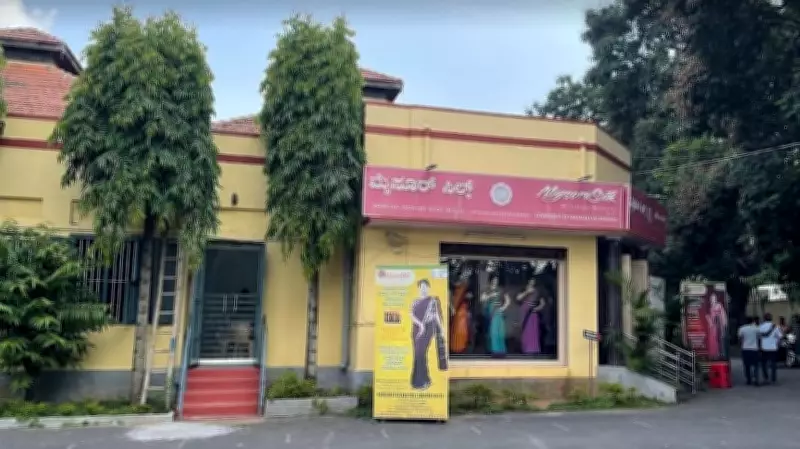
Proposed T Narsipur Stadium in Mysuru Poses Existential Threat to KSIC Mother Unit
The Karnataka Silk Industries Corporation (KSIC) is facing a severe crisis as the proposed construction of the T Narsipur stadium in Mysuru threatens the very existence of its mother unit. This development has sparked widespread concern among stakeholders, who fear it could deliver a death blow to the historic silk production facility.
Background and Current Situation
The KSIC mother unit, a cornerstone of Mysuru's silk industry, has long been a symbol of the region's rich textile heritage. However, plans for the new T Narsipur stadium have put its future in jeopardy. The stadium project, aimed at boosting local sports infrastructure, is set to be built in close proximity to the KSIC facility, raising alarms about potential disruptions to its operations.
Industry experts warn that the stadium's construction could lead to significant logistical challenges, including access issues and increased competition for resources. This comes at a time when the silk industry is already grappling with economic pressures and changing market dynamics.

Impact on Silk Production and Employment
The potential closure or downsizing of the KSIC mother unit would have far-reaching consequences. First, it could severely impact silk production in Karnataka, which is renowned for its high-quality silk fabrics. The unit plays a crucial role in processing raw silk and supporting local weavers, and its loss might disrupt the entire supply chain.
Second, employment is a major concern. The KSIC mother unit provides jobs for hundreds of workers, many of whom have dedicated their careers to the silk industry. If the stadium project forces the unit to shut down, it could lead to widespread job losses, exacerbating economic hardships in the region.
Stakeholder Reactions and Government Response
Local communities and industry representatives have voiced strong opposition to the stadium plan, citing the need to preserve Mysuru's cultural and industrial heritage. They argue that the KSIC mother unit is not just an economic asset but also a part of the city's identity.
Government officials have acknowledged the concerns but emphasize the importance of developing sports infrastructure. However, they have yet to provide a clear plan to mitigate the impact on the KSIC unit. This lack of clarity has fueled uncertainty and calls for a balanced approach that supports both development and heritage preservation.
Future Prospects and Recommendations
To address this crisis, stakeholders propose several measures:
- Relocation Assistance: If the stadium project proceeds, the government should offer comprehensive support for relocating the KSIC mother unit to a suitable location without disrupting operations.
- Financial Incentives: Provide subsidies or grants to help the unit modernize and remain competitive in the face of new challenges.
- Community Engagement: Involve local residents and workers in decision-making processes to ensure their voices are heard and their livelihoods protected.
In conclusion, the proposed T Narsipur stadium represents a critical juncture for Mysuru's silk industry. While infrastructure development is essential, it must not come at the cost of eroding a vital economic and cultural institution. The fate of the KSIC mother unit hangs in the balance, and proactive measures are needed to secure its survival for future generations.