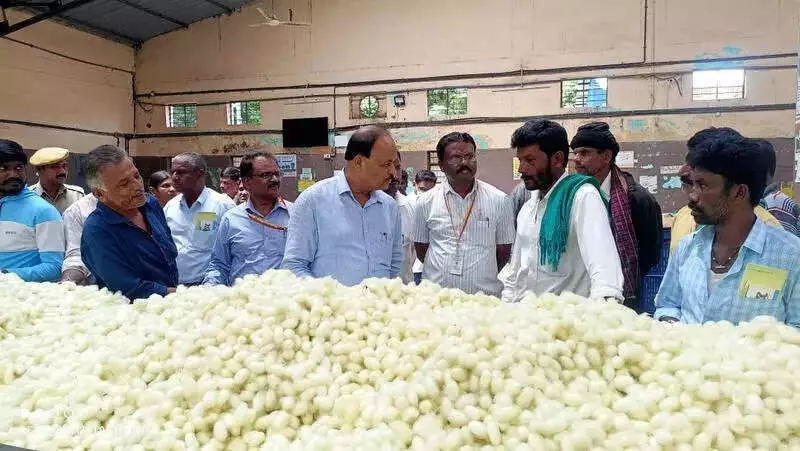
Sericulture Sector in Karnataka Sees Price Surge Amid Supply Constraints
The sericulture industry in the twin districts of Mysuru and Chamarajanagar has experienced a significant boost over the past two months, with cocoon prices reaching unprecedented levels at local auction markets. This development has brought much-needed cheer to farmers and producers who have long struggled with fluctuating market conditions.
Current Market Prices and Auction Performance
At key auction centers including Kollegal, Santhemarahalli, and Mysuru, the moderate reformed variety of cocoons is now commanding Rs 816 per kilogram. Meanwhile, the premium white variety cocoons are fetching an even higher price of Rs 900 per kilogram at markets in Mysuru, Ramanagara, Mandya, and Kanakapura.
This represents a substantial increase from just a few months ago when producers were selling cocoons for Rs 500 to Rs 600 per kilogram during August, September, and October. The steady price escalation began in November, starting from Rs 600 and gradually climbing to the current record levels.

Climate Impact on Production and Supply
Agricultural experts attribute this price surge primarily to reduced cocoon yields caused by an intense cold wave that gripped the region over the last two months. The prolonged cold spell severely impacted mulberry cultivation, which plays a crucial role in silkworm rearing and cocoon production.
The cold wave created several challenges for sericulturists:
- Mulberry leaf harvesting cycles extended from the normal 40 days to 60 days
- Stunted growth of mulberry plants due to unfavorable weather conditions
- Reduced leaf production affecting silkworm feeding schedules
- Overall decline in cocoon production across the region
Market Dynamics and Supply Reduction
Rachappa, the nodal officer for Chamarajanagar and Kollegal auction markets, provided specific data illustrating the supply constraints: "The Chamarajanagar and Kollegal market, which previously recorded 20 tons of cocoons until a few months ago, has now reduced to just 15 tons due to declining arrivals."
He further explained that the intense cold wave directly affected mulberry leaf growth, which in turn impacted cocoon production, creating a classic supply-demand imbalance that drove prices upward.
Government Initiatives and Support Measures
Deputy Director of Sericulture Rachappaji revealed that the Karnataka sericulture department has implemented several measures to support farmers and boost production in response to the annual price increases. The department is actively working to extend sericulture activities across the twin districts through various incentives and support programs.
Key statistics highlight the scale of sericulture in the region:
- Mysuru and Chamarajanagar districts have approximately 34,153 sericulture growers
- These farmers cultivate nearly 13,780 hectares of land dedicated to sericulture
- Mysuru district alone accounts for about 2,500 hectares of this cultivation area
Subsidies and Future Prospects
The state government is providing substantial financial support to encourage sericulture expansion, including:
- Subsidies of up to Rs 2.5 lakh for farmers adopting sericulture practices
- Modern equipment for efficient silkworm rearing
- Various other benefits aimed at restoring the region's historical prominence in silk production
Rachappaji emphasized the growing international demand, stating: "There is huge demand for cocoons and Mysuru silk at the international level, prompting these supportive measures to help the region regain its past glory in sericulture."
The combination of favorable market prices and government support creates an optimistic outlook for sericulturists in Karnataka's traditional silk-producing regions, potentially marking a new chapter in the state's illustrious silk production history.