In a landmark move set to redefine urban transit, Mumbai's sprawling suburban railway system is poised for a comprehensive upgrade backed by a colossal investment of Rs 18,365 crore. This ambitious overhaul, part of the larger Mumbai Urban Transport Project (MUTP), aims to decongest and modernize the lifeline of India's financial capital.
The Panvel-Karjat Corridor: A Cornerstone Project
A pivotal element of this transformation is the Panvel-Karjat Suburban Corridor, which has now moved into the execution phase under MUTP-III. This significant project involves the creation of 29.6 track kilometres of new suburban rail infrastructure. The financial outlay for this corridor alone is a substantial Rs 2,782 crores, underscoring its scale and importance to the region's connectivity.
Details and Strategic Impact
The development, reported by Mrityunjay Bose and last updated on 26 December 2025, marks a critical step in enhancing rail-based connectivity between key nodes in the Mumbai Metropolitan Region. The Panvel-Karjat link is strategically vital as it will improve access to emerging economic hubs and satellite towns, reducing travel time and pressure on the existing central rail corridors.
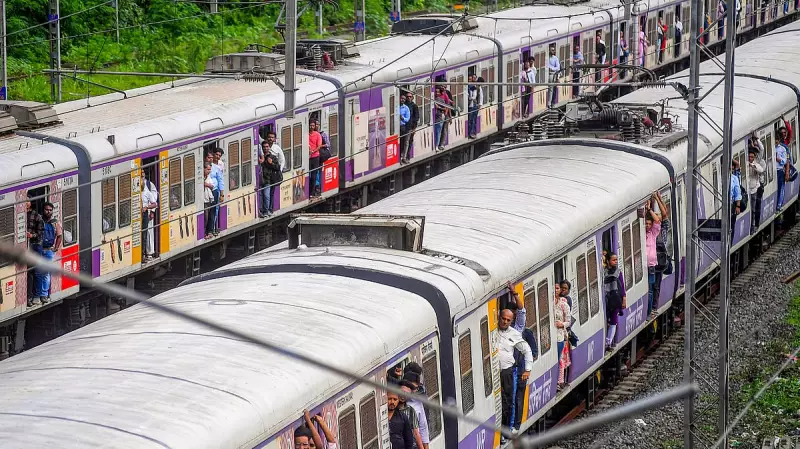
The execution of this project signals a firm commitment to addressing the chronic overcrowding and infrastructure strain faced by Mumbai's local trains, which ferry millions of commuters daily. The infusion of thousands of crores into the suburban network is expected to catalyze regional development, improve safety standards, and introduce modern amenities for passengers.
Broader Vision and Future Prospects
This Rs 18,365-crore investment for the overall network overhaul, with the Panvel-Karjat corridor as a flagship component, represents one of the most significant public transport investments in the city's recent history. It aligns with long-term goals of sustainable urban mobility and economic growth.
The project's progression under MUTP-III indicates a structured, phased approach to upgrading Mumbai's transit backbone. The focus on expanding network coverage and capacity is anticipated to have a ripple effect, boosting real estate development in peripheral areas, generating employment, and providing a more reliable and efficient commuting alternative to road transport.
As work commences on the ground, commuters and urban planners alike will be watching closely. The successful implementation of this corridor could set a benchmark for future urban rail projects across India, proving that strategic investment in public transportation is key to managing the growth of megacities.