In a significant move aimed at tackling severe overcrowding, Mumbai's suburban railway network is gearing up for crucial safety trials of longer 18-car local trains. The Western Railway will conduct these mandatory tests in mid-January, a pivotal step before any potential rollout of the enhanced capacity rakes.
What the Safety Trials Will Entail
The trials are scheduled for the Virar–Dahanu Road section and will focus on two critical parameters: Emergency Braking Distance (EBD) and coupler force. Officials have confirmed that two different 18-car train configurations will be put through their paces. One rake, equipped with Bombardier propulsion systems, will be tested at speeds of up to 110 kmph. Simultaneously, another rake fitted with Medha Electricals equipment will undergo trials at speeds reaching 105 kmph.
"Safety clearances are the most critical aspect before any capacity augmentation is introduced," emphasized Vineeth Abhishek, Chief Public Relations Officer for Western Railway. He stated that the trials are being conducted strictly as per prescribed norms to evaluate the braking performance and structural safety of these longer and heavier trains, especially when operating at higher speeds.

Why This Step is Crucial for Mumbai's Commuters
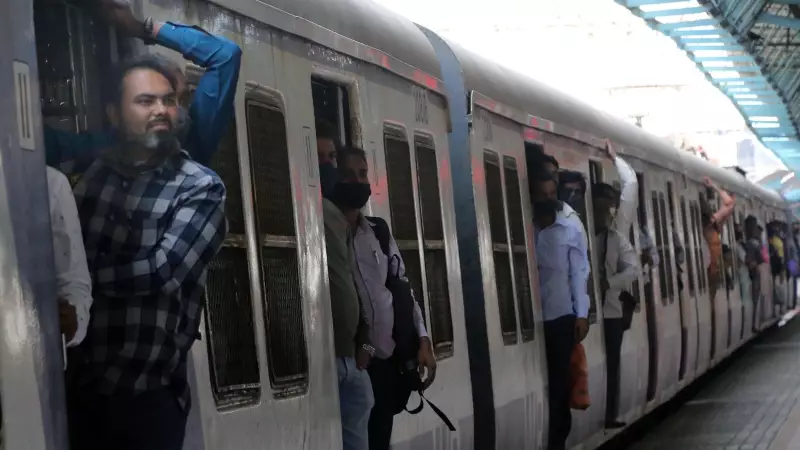
The push for 18-car trains is a direct response to the chronic congestion faced by millions of daily commuters, particularly during peak hours on fast services in the northern suburbs. Currently, most services operate with 12 or 15-car rakes, which consistently prove inadequate during office rush hours. The introduction of longer trains is a cornerstone of the long-term strategy to augment carrying capacity.
This initiative aligns with the Mumbai Urban Transport Project (MUTP) III and IIIA framework, approved back in 2016. The comprehensive plan envisages not just longer trains but also essential signalling and power upgrades across the network. However, the execution is contingent on successful, corridor-specific safety validations like the upcoming trials.
The Road Ahead After the Trials
While the trials mark a technical milestone, railway officials have clarified that they do not signal the immediate introduction of 18-car services. The Virar–Dahanu stretch was selected for its ability to facilitate relatively uninterrupted high-speed runs with fewer operational constraints compared to busier sections closer to Mumbai city.
Following the tests, the collected data will be meticulously analysed by independent safety authorities. The outcome of these tests will play a key role in determining the future deployment of 18-car local trains on the Western Railway corridor. Further approvals will depend on a host of factors including corridor-specific infrastructure readiness, alongside the necessary signalling and power system upgrades.
If the trials yield satisfactory results, it could pave the way for the progressive deployment of these high-capacity trains, offering a tangible solution to the daily squeeze experienced by Mumbai's suburban rail commuters.