Ludhiana MSMEs Pin High Hopes on Union Budget 2026 as Bicycle Capital Looks for EV Shift
As the Union Budget 2026–27 approaches, scheduled for presentation on February 1, industry bodies across Punjab, particularly from Ludhiana's robust manufacturing base, have outlined a comprehensive set of expectations. These focus on reviving Micro, Small, and Medium Enterprises (MSMEs), enhancing manufacturing competitiveness, rationalising taxes, and supporting emerging sectors like electric vehicles and green mobility.
Industry Leaders Voice Sector-Specific Demands
Pankaj Sharma, president of the Association of Trade and Industrial Undertakings (ATIU), highlighted that the association represents a wide base of MSMEs engaged in various sectors, including bicycle parts, auto components, EV components, railway supplies, hosiery, and garment manufacturing. Presenting sector-specific demands, Sharma emphasised the urgent need for policy support to revive demand and improve global competitiveness in the bicycle parts industry.
Key expectations from the bicycle parts industry include:

- Reduction in GST on bicycle parts to improve affordability and stimulate domestic demand.
- Implementation of strong anti-dumping measures to curb the influx of cheap and low-quality imports.
- Export incentives and logistics cost reduction to enhance competitiveness in global markets.
- Technology upgradation schemes for bicycle and light engineering units.
- Promotion of India-made bicycles under the government's 'Green Mobility' initiatives.
Transition to Electric Vehicles and Broader Concerns
Sharma noted the ongoing transition in Ludhiana's industrial ecosystem, with many units shifting from conventional auto and bicycle parts to electric vehicle (EV) components. The industry expects continuation of EV incentives beyond the Faster Adoption and Manufacturing of Electric Vehicles (FAME) framework. There is also a strong demand for Production Linked Incentive (PLI) support for EV motors, controllers, and battery components to help MSMEs scale up.
Echoing concerns of the garment sector, Sudarshan Jain, president of the Knitwear and Apparel Manufacturers Association of Ludhiana (KAMAL), stated that the MSME sector has struggled to recover even after the Covid-19 pandemic. Ludhiana, known as the 'Manchester of India', is a major hub for bicycle manufacturing, auto parts, and sewing machines. Jain emphasised that MSMEs have not been able to grow post-Covid and called for easing financial availability, particularly through interest subvention schemes, rather than relief packages.
Make in India and Taxation Reforms
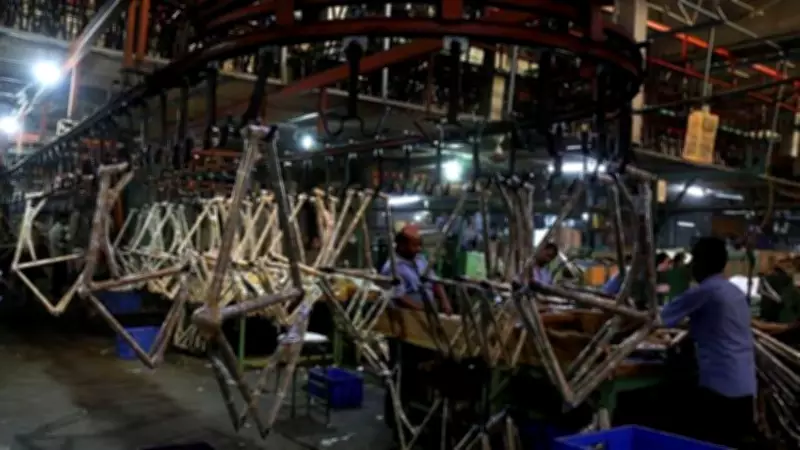
From the bicycle manufacturing ecosystem, Lakhminder 'Dicky' Chhabra, Convenor of the United Cycles Parts and Manufacturers Association (UCPMA), stressed the need for incentives that promote domestic manufacturing of components such as frames, gears, and precision parts. 'Make in India' should be visible on the ground, Chhabra said, advocating for simplified compliance norms, infrastructure support, and resolution of mixed-land use issues. Bicycle manufacturers in Ludhiana have long been pushing for the inclusion of e-bikes under existing PLI and EV support policies to upgrade technology and compete globally.
On the taxation front, Rajnish Ahuja, president of the Apex Chamber of Commerce and Industry, called for simplification and rationalisation of income tax slabs. Ahuja argued that tax rates need to be reduced to encourage transparency and widen the tax base, as multiple layers of taxation—such as GST, high fuel taxes, and electricity duties—are already burdening taxpayers. Instead of overburdening a small segment, the focus should be on rationalising income tax slabs to bring more people into the tax net.
Broader Economic Stability and Household Concerns
Chhabra also reflected broader household concerns, stating that from a homemaker's perspective, children's education and healthcare should not become financial burdens. Household savings must retain real value amid inflation, and families need greater income stability for stress-free monthly planning.

Industry leaders across Punjab expressed hope that the upcoming Union Budget would acknowledge the critical role of MSMEs in employment generation and exports. They anticipate policy measures that enable sustainable growth, competitiveness, and economic stability, ensuring Ludhiana's industrial legacy thrives in the evolving economic landscape.