LPG Shortage Forces Migrant Workers to Flee Kerala for Home States
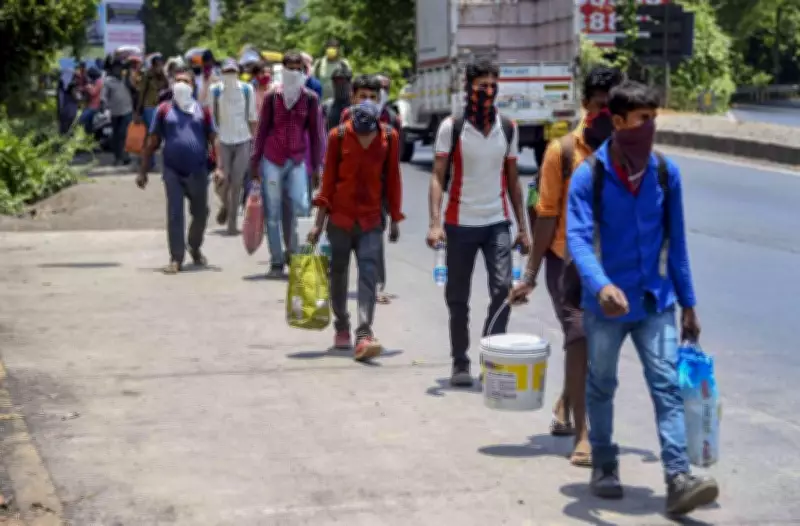
A critical shortage of liquefied petroleum gas (LPG) in Kerala has triggered a mass exodus of migrant workers, with thousands departing for their native places in other states. This sudden movement, reported in early March 2026, is disrupting local industries and raising concerns about economic stability in the region.
Supply Chain Breakdown Leads to Crisis
The LPG shortage, attributed to logistical disruptions and supply chain failures, has left many households and businesses without access to cooking fuel. Migrant workers, who rely heavily on LPG for their daily needs, found themselves unable to prepare meals or manage basic living conditions. This scarcity has compounded existing challenges, including high living costs and limited social support, pushing workers to seek alternatives in their home states.
Impact on Kerala's Economy and Labor Force
The exodus is having a profound effect on Kerala's economy, particularly in sectors like construction, hospitality, and manufacturing, which depend on migrant labor. Industry leaders report significant labor shortages, leading to project delays and reduced productivity. Key impacts include:

- Delays in construction projects due to lack of workers.
- Disruptions in hospitality services affecting tourism.
- Manufacturing slowdowns impacting output and deadlines.
This situation underscores the vulnerability of Kerala's labor market to external shocks and highlights the need for robust contingency plans.
Government Response and Public Reaction
Local authorities have acknowledged the crisis but have yet to implement effective solutions. Public frustration is growing, with calls for immediate action to restore LPG supplies and support affected workers. Community leaders emphasize the urgency of addressing basic needs to prevent further displacement and economic fallout.
Broader Implications for Migrant Welfare
This incident sheds light on the precarious conditions faced by migrant workers across India, who often lack access to essential services and social safety nets. Experts warn that without systemic improvements, similar crises could recur in other regions, affecting national labor mobility and economic growth.
In summary, the LPG shortage in Kerala has not only disrupted daily life but also triggered a significant demographic shift, with migrant workers returning home en masse. This event serves as a stark reminder of the interconnectedness of supply chains, labor markets, and social welfare in modern economies.