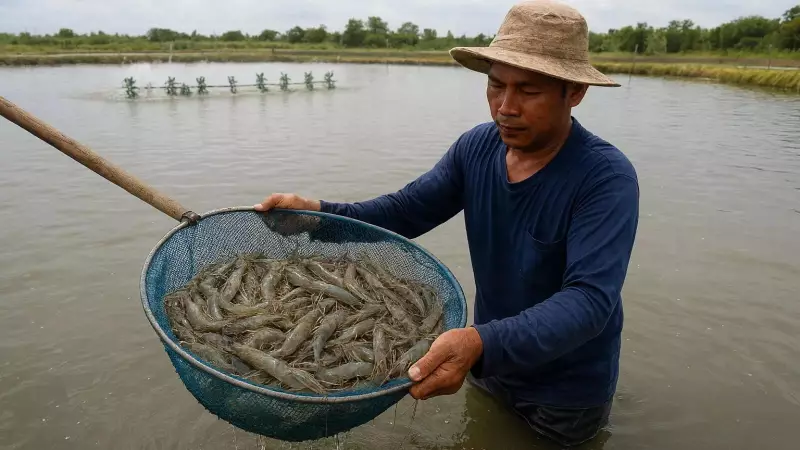
In a remarkable agricultural shift, landlocked states of North India, traditionally known for wheat and paddy, are now harvesting gold from the water. Where high soil salinity once spelled doom for conventional crops, farmers are successfully cultivating shrimp, a staple of coastal regions, turning a problem into a profitable venture.
From Tractors to Trawlers: A Farming Revolution
The story is most prominent in Haryana, which is leading the charge in this inland aquaculture revolution. Neighboring Rajasthan is racing ahead with similar projects, while Punjab is also actively exploring its potential. This transformation is occurring in villages long associated with tractors and tubewells, now making room for practices reminiscent of trawlers and coastal fisheries.
The core logic is simple yet revolutionary: land rendered infertile for wheat and other grains due to salt content is perfectly suitable for brackish water species like shrimp. Farmers have discovered that what kills wheat might just fatten up prawns. This adaptive reuse of degraded land is opening new economic avenues without competing with existing fertile farmland.

The Lahli Leap of Faith and Beyond
Pioneering efforts, like those in Lahli, symbolize the leap of faith farmers are taking. Venturing into aquaculture requires new knowledge about water quality, feeding, and disease management, a significant shift from grain cultivation. The success in these initial pockets, reported as of January 05, 2026, is encouraging more farmers to consider the switch.
The model involves converting waterlogged saline patches into pond systems. Technical guidance on breeding, seed stocking, and harvest cycles is crucial, often provided by state fisheries departments and agricultural experts. The economic returns from shrimp, a high-value export commodity, can significantly outstrip those from struggling traditional crops on such land.
Future Implications and Economic Potential
This trend has profound implications. Firstly, it offers a sustainable solution for utilizing uncultivable wasteland, boosting rural incomes and creating jobs. Secondly, it enhances India's seafood production and exports from non-traditional regions, contributing to food security and foreign exchange earnings.
The move also diversifies risk for farmers in regions facing water scarcity and soil quality issues. While challenges in supply chains, market access, and climate control remain, the initial success signals a promising new chapter for agriculture in North India. The story of Haryana, Rajasthan, and Punjab betting on shrimp is a powerful testament to agricultural innovation and resilience.