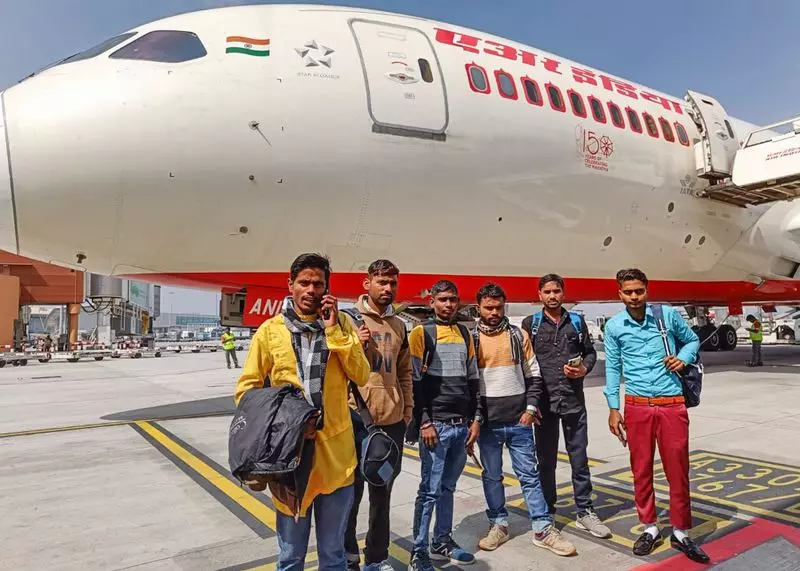
A quiet revolution is taking place in the skies above India, and it's not just business executives filling the seats. The nation's unprecedented infrastructure boom is creating such intense demand for skilled labor that companies are now regularly flying their blue-collar workers—welders, electricians, crane operators—directly to project sites across the country.
From Trains to Planes: The New Commute for India's Workforce
This shift marks a dramatic departure from tradition. For decades, skilled construction and industrial workers would undertake arduous, days-long train journeys to reach remote project locations, often sacrificing time and comfort. Today, the scene is different. Firms like Patel Engineering are chartering flights, while others book commercial airline tickets for crews specializing in tunneling, bridge construction, and heavy machinery operation.
The driving force behind this change is simple: a colossal infrastructure investment exceeding ₹10 lakh crore in the current fiscal year. From highways and railways to airports and renewable energy parks, projects are sprouting nationwide, creating a severe shortage of certified, experienced hands. "The demand is insane," admits a senior HR executive from the infrastructure sector, highlighting the fierce competition for talent.

High Wages and a Shifting Social Paradigm
The financial rewards for these workers are transformative. A highly skilled welder or a technician proficient with advanced tunnel-boring machines can now command a monthly salary of ₹80,000 to ₹1 lakh, a figure that would have been unthinkable a few years ago and rivals many white-collar professions. This economic empowerment is actively narrowing the deep-seated class divide.
"The respect on the site is now for the person who has the skill, not necessarily the one with a university degree," observes Mohan L. K., who manages workforce logistics for a major conglomerate. This sentiment is echoed on the ground. Workers like Satish Kumar, a crane operator from Bihar, share stories of flying to a hydroelectric project in Himachal Pradesh, a journey that once took three days by train and bus now completed in a few hours.
The industry's evolution demands new skills. It's no longer just about brute strength; it's about operating complex machinery, understanding computer-aided designs, and adhering to stringent safety protocols. Training institutes and corporate programs are scrambling to bridge this skill gap, but the output still lags behind the roaring demand.
Logistics, Lifestyle, and Long-Term Impact
Companies have developed sophisticated logistics chains to manage this airborne workforce. They handle travel bookings, site accommodations, and even facilitate quick home visits. While the work remains physically demanding and located in often-remote areas, the improved mobility and pay are significant compensations.
This trend has profound implications for India's social and economic fabric. It challenges old hierarchies and offers a tangible path to upward mobility for millions. However, experts caution that this is not yet the norm for the entire vast blue-collar sector. The benefits are currently concentrated among the most highly skilled segments in the most booming industries.
The future seems poised for further change. As India continues its infrastructure push with projects like the ambitious Gati Shakti plan, the demand for skilled labor will only intensify. This could lead to more systemic improvements in training, wages, and working conditions for the backbone of India's physical economy, permanently altering the relationship between skill, compensation, and social status in the country.