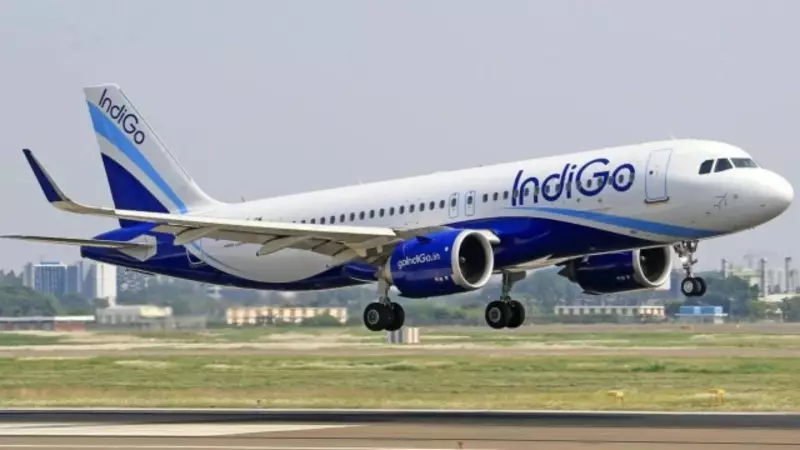
The operational collapse of India's largest airline, IndiGo, has thrown the country's air travel into chaos, laying bare the severe lack of competitive alternatives for passengers. As of December 5, 2025, the carrier has cancelled more than 2,100 flights across Indian airports, leading to scenes of pandemonium and stranding countless travellers.
The Scale of the Disruption and Passenger Anguish
The fallout is staggering in its scale. On Friday, December 6 alone, about 1,000 flights were axed. With an average of 160 passengers per flight, this single day's disruption impacted approximately 1,60,000 people. The airline's famed on-time performance (OTP), usually in the high 80s, catastrophically plunged to 8.5% on Thursday, following 19.7% and 35% on the preceding days.
The financial and emotional cost to consumers is immense. Passengers faced surge pricing on alternative tickets, lost non-refundable hotel bookings, and missed critical events like weddings and job interviews. The uncertainty tax—the mental toll of not knowing if a flight is delayed by hours or cancelled entirely—compounded the tangible losses in productivity and money.

The Root Cause: A Foreseeable Planning Failure
How did the market leader, operating over 2,000 daily flights, fail so spectacularly? The primary trigger is the new Flight Duty Time Limitations (FDTL) rules, mandated by the Directorate General of Civil Aviation (DGCA) for pilot safety. These "labour laws for aviation safety," notified in January 2024, were set for full implementation on November 1, 2025.
IndiGo has admitted it did not plan adequately for these changes, resulting in acute pilot and crew shortages. It is difficult to believe that a dominant player, given a lead time exceeding 12 months, failed to prepare for such a foreseeable regulatory shift. While the airline initially cited a "perfect storm" of weather, congestion, and technical glitches, these factors cannot excuse the magnitude of the failure.
Market Structure: The Core Problem of No Alternatives
The most troubling aspect of this crisis is the revelation of India's aviation market monopoly. IndiGo commands roughly 65% of the domestic market share, meaning two out of every three Indian flyers are on its planes. This dominance strips passengers of real choice. Even after such a debacle, consumers may be forced to fly IndiGo again due to a lack of viable options on many routes.
This lack of competition undermines the natural market recourse where customers would punish the airline by switching to rivals. The situation underscores an urgent need for policy intervention, such as allowing foreign airlines to operate on domestic routes, to foster genuine competition.
Call for Proportionate Repercussions and Legal Recourse
Granting operational exemptions to IndiGo would be a horrible outcome, effectively rewarding its errant behaviour. There must be proportionate repercussions. In advanced economies, class-action lawsuits serve as a powerful check on corporate negligence. The threat of multi-million-dollar payouts in compensatory and punitive damages forces rigorous risk management.
India's legal framework, however, discourages such class actions. The time is ripe for a more litigious approach to consumer protection in aviation. Combined with stronger market competition, this could ensure airlines are held accountable, transforming this crisis into a catalyst for a more resilient and passenger-friendly aviation sector.
The analysis is contributed by Anupam Manur, a Professor of Economics at the Takshashila Institution, who was also affected by a cancelled flight. First published on December 6, 2025.