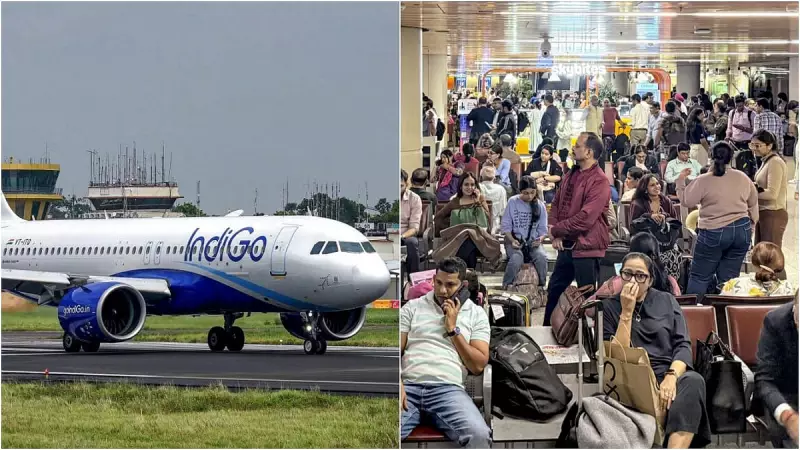
India's largest airline, IndiGo, faced massive operational disruption on Thursday, December 4, 2025, cancelling over 100 flights across its network. The cascading effect left thousands of passengers stranded at major airports, with long queues and confusion dominating terminal scenes.
A Perfect Storm of Disruptions
The crisis was triggered by a confluence of three critical factors. The primary cause was the implementation of a new pilot roster rule aimed at enhancing flight safety and compliance with duty hour regulations. While well-intentioned, the sudden application of this rule created immediate scheduling gaps, leaving several flights without certified crew members.
Compounding the roster issue was a significant technical glitch within the airline's internal systems. This software malfunction hampered efficient crew management and flight operations, making it exceedingly difficult for the airline to reassign pilots and recover from the initial scheduling shock.

To make matters worse, adverse weather conditions in parts of North India, including fog and poor visibility, delivered a third blow. These conditions further reduced operational efficiency and contributed to the domino effect of delays and cancellations.
Widespread Impact and Passenger Chaos
The fallout was severe and widespread. Major aviation hubs like Delhi, Mumbai, and Bengaluru were severely affected. Airport terminals witnessed chaotic scenes characterized by:
- Long, snaking queues at customer service and check-in counters.
- Thousands of frustrated passengers left in limbo regarding their travel plans.
- Last-minute announcements of cancellations and indefinite delays.
- Increased pressure on alternative transport and other airlines.
The scale of the disruption, impacting over a hundred flights in a single day, highlighted the fragile nature of airline operations when multiple stressors align.
Looking Ahead: Lessons and Recovery
In response to the crisis, IndiGo issued statements apologizing for the inconvenience and cited the combined impact of the roster change, tech failure, and weather as the root cause. The airline assured passengers that it was working on mitigating the situation and accommodating affected travelers on alternative flights.
This incident serves as a stark reminder of the complex interdependencies in modern aviation. It underscores the need for robust contingency planning, especially when introducing new operational protocols. The aviation industry and regulators will likely scrutinize the event to improve systemic resilience and prevent a recurrence of such large-scale travel chaos.
For passengers, the day marked a significant travel nightmare, emphasizing the importance of checking flight status proactively and understanding travel insurance options during India's winter fog season.