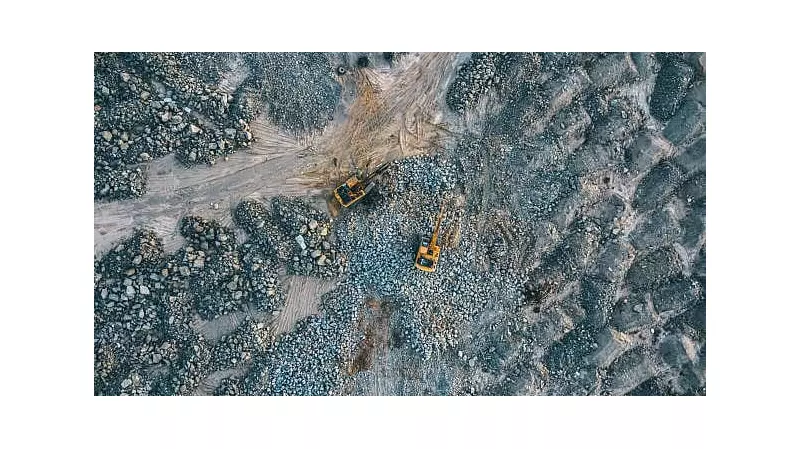
In the modern global landscape, a strategic race is intensifying for resources that, while often invisible in daily life, form the backbone of technological advancement and national security. Critical minerals have emerged as indispensable inputs for a wide array of sectors, from clean energy technologies to advanced electronics and sophisticated defense systems. This makes them central to the trajectory of India's future development, as the nation seeks to secure its position in an increasingly competitive world.
The Indispensable Role of Critical Minerals
Critical minerals, including elements like lithium, cobalt, rare earths, and graphite, are fundamental to the production of renewable energy infrastructure such as solar panels, wind turbines, and electric vehicle batteries. Beyond clean energy, these minerals are crucial for manufacturing advanced electronics, including smartphones, computers, and telecommunications equipment, which drive digital transformation and economic growth. In the defense sector, they are essential for developing cutting-edge systems like missiles, radar, and aerospace technologies, ensuring national security and strategic autonomy.
India's Strategic Imperatives
For India, the race for critical minerals is not merely an economic endeavor but a strategic necessity. As the country aims to achieve its ambitious goals in renewable energy adoption, digitalization, and defense modernization, securing a stable and sustainable supply of these minerals becomes paramount. This involves diversifying sources through international partnerships, investing in domestic mining and processing capabilities, and fostering innovation in recycling and alternative materials to reduce dependency on imports.

Moreover, India's participation in global initiatives and collaborations can enhance its access to critical mineral reserves, while also contributing to environmental and ethical standards in extraction and trade. By prioritizing this strategic race, India can bolster its industrial base, create jobs, and strengthen its geopolitical influence, ensuring that its development trajectory is resilient and forward-looking in the face of global challenges.