Semiconductors have emerged as a central element in global power dynamics, with nations strategically positioning themselves within this crucial supply chain. India is now making decisive moves to establish itself as a key player in this high-stakes arena.
India's Semiconductor Ambition Enters Production Phase
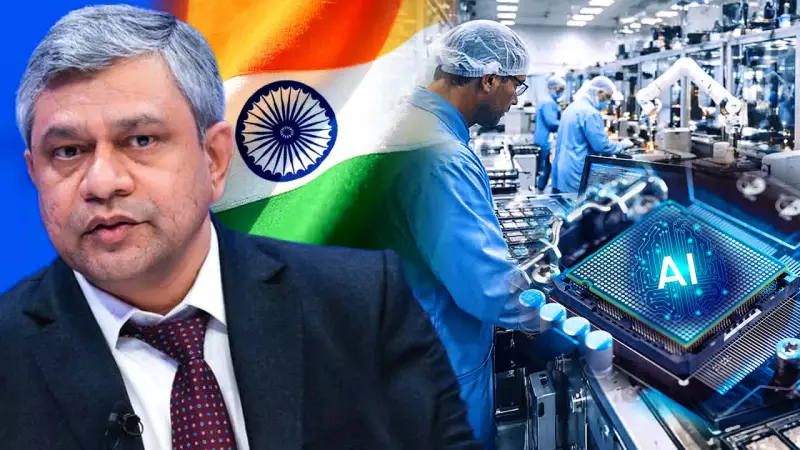
Union Minister for Electronics and Information Technology, Ashwini Vaishnaw, has made a landmark announcement that signals India's transition from planning to execution in the semiconductor sector. During his recent visit to ASML, the Dutch company renowned for its advanced lithography technology, Vaishnaw revealed that four semiconductor manufacturing plants in India are scheduled to commence commercial production in 2026.
The Critical Role of Lithography Technology
Vaishnaw emphasized the fundamental importance of lithography technology during his discussions at ASML, describing it as the backbone of modern chip manufacturing. This technology, which involves the precise patterning of silicon wafers, represents one of the most sophisticated and capital-intensive aspects of semiconductor production.

The minister's visit to the Netherlands underscores India's commitment to adopting world-class manufacturing techniques and forming strategic partnerships with global technology leaders.
Dholera Fab to Feature Advanced ASML Equipment
One of the most significant developments announced is that India's Dholera semiconductor fabrication facility will deploy ASML's state-of-the-art lithography tools. This strategic equipment acquisition represents a major technological leap for India's semiconductor ambitions and positions the country firmly on the global semiconductor manufacturing map.
The Dholera plant, located in Gujarat, is expected to become a flagship facility demonstrating India's capability in advanced manufacturing.
Global Interest in India's Semiconductor Ecosystem
India's semiconductor push is already attracting attention from international equipment manufacturers and technology companies. Several factors are driving this global interest:
- Design Expertise: India has established itself as a global hub for semiconductor design, with numerous multinational companies operating design centers across the country.
- Skilled Workforce: The country boasts a substantial pool of engineering talent with specialized knowledge in electronics and semiconductor technologies.
- Policy Consistency: The Indian government has implemented a comprehensive semiconductor policy framework that provides clarity and stability for long-term investments.
Geopolitical and Economic Implications
The global semiconductor shortage that began in recent years has fundamentally reshaped both geopolitics and economic strategies worldwide. Nations are increasingly recognizing that semiconductor self-sufficiency represents not just an economic advantage but a matter of national security and technological sovereignty.
For India, the semiconductor initiative represents a strategic shift from merely catching up with global leaders to actively securing its technological independence. This transition aligns with broader national objectives of reducing import dependence and establishing domestic capabilities in critical technologies.
The Path Forward for India's Semiconductor Industry
With the 2026 production timeline now established, India's semiconductor sector faces several critical milestones in the coming years:

- Infrastructure Development: Completing the construction and equipping of the four announced semiconductor plants.
- Workforce Training: Developing specialized training programs to prepare technicians and engineers for semiconductor manufacturing roles.
- Supply Chain Establishment: Building the complex ecosystem of suppliers and service providers necessary to support semiconductor fabrication.
- Research Integration: Connecting manufacturing capabilities with India's existing research institutions to foster innovation.
As Minister Vaishnaw's announcement makes clear, India's semiconductor journey has moved beyond the planning stage and entered a decisive implementation phase. The country's progress in this critical technology sector will have far-reaching implications for its economic future, technological capabilities, and position in the global technology landscape.