The Central Electricity Authority (CEA) has underscored that India's massive Rs 11.2 trillion distribution capital expenditure (capex) will serve as a cornerstone for the transition towards smart metering, with a renewed emphasis on achieving tangible outcomes. This strategic shift aims to modernize the country's power distribution network, enhance operational efficiency, and reduce losses.
Smart Metering as a Priority
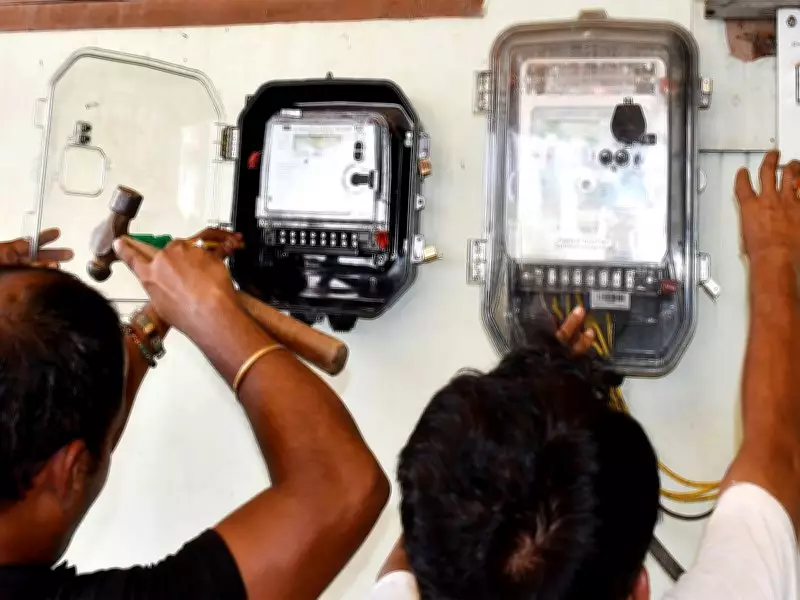
The CEA highlighted that smart meters are pivotal for real-time monitoring, billing accuracy, and demand-side management. The deployment of smart meters is expected to improve revenue collection, curb power theft, and enable dynamic pricing models. The Rs 11.2 trillion capex, spread over several years, will fund the procurement and installation of advanced metering infrastructure across states.
Outcome-Focused Approach
The authority stressed that the focus must shift from mere meter installation to measurable outcomes such as reduced aggregate technical and commercial (AT&C) losses, improved collection efficiency, and enhanced consumer satisfaction. The CEA has set benchmarks for utilities to achieve specific targets, including a reduction in AT&C losses to below 15% in high-loss areas.

Financial Viability and Investments
The distribution sector has long struggled with financial stress due to high losses and inadequate tariffs. The capex, supported by central schemes like Revamped Distribution Sector Scheme (RDSS), aims to infuse liquidity and modernize infrastructure. Private sector participation is encouraged through public-private partnerships (PPPs) to accelerate smart metering rollouts.
Implementation Challenges
Despite the ambitious plan, challenges remain, including the need for robust communication networks, data security, and consumer awareness. The CEA recommended a phased approach, starting with high-consumption urban areas and industrial clusters, before expanding to rural regions. Interoperability standards and cybersecurity protocols are also being developed to ensure seamless integration.
Expected Benefits
Smart metering is projected to save utilities up to 20% in operational costs through automated meter reading, outage management, and load forecasting. For consumers, it offers transparency in billing, options for prepaid metering, and the ability to monitor usage patterns. The CEA estimates that full deployment could reduce peak demand by 5-10%, easing pressure on generation capacity.
The Rs 11.2 trillion distribution capex thus represents a transformative investment in India's power sector, aligning with the government's vision for a reliable, affordable, and sustainable electricity supply. The CEA's focus on outcomes ensures that the smart metering shift delivers concrete benefits to both utilities and consumers.