India's LPG Supply Chain: A Detailed Overview
India's liquefied petroleum gas (LPG) supply is a critical component of the nation's energy infrastructure, serving millions of households and industries. The country sources its LPG through a combination of domestic production and imports, ensuring a steady flow to meet growing demand. This article delves into the origins, production methods, and distribution mechanisms that power India's gas ecosystem.
Sources of LPG: Domestic and International
India's LPG supply is derived from two primary avenues: domestic production and imports. Domestically, LPG is produced as a byproduct during the refining of crude oil at facilities operated by major players like Indian Oil Corporation (IOC), Bharat Petroleum Corporation Limited (BPCL), and Hindustan Petroleum Corporation Limited (HPCL). Additionally, it is extracted from natural gas processing plants, contributing to the indigenous output.
However, domestic production falls short of the nation's requirements, making imports essential. India imports LPG primarily from countries in the Middle East, such as Saudi Arabia, Qatar, and the United Arab Emirates, which are key suppliers due to their abundant hydrocarbon resources. In recent years, the United States has also emerged as a significant source, leveraging its shale gas production to export LPG to global markets, including India.

Production and Processing of LPG
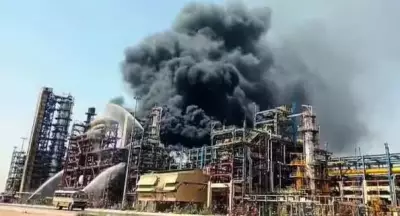
The production of LPG in India involves sophisticated refining and processing techniques. At oil refineries, crude oil is distilled to separate various petroleum products, with LPG being captured during this process. In natural gas plants, LPG is extracted from wet natural gas streams through fractionation, where it is separated from other components like methane and ethane.
This domestically produced LPG is then blended with imported supplies to maintain quality standards and ensure consistency. The blending process is crucial for meeting the specifications required for safe and efficient use in households and commercial applications.
Distribution Network and Key Players
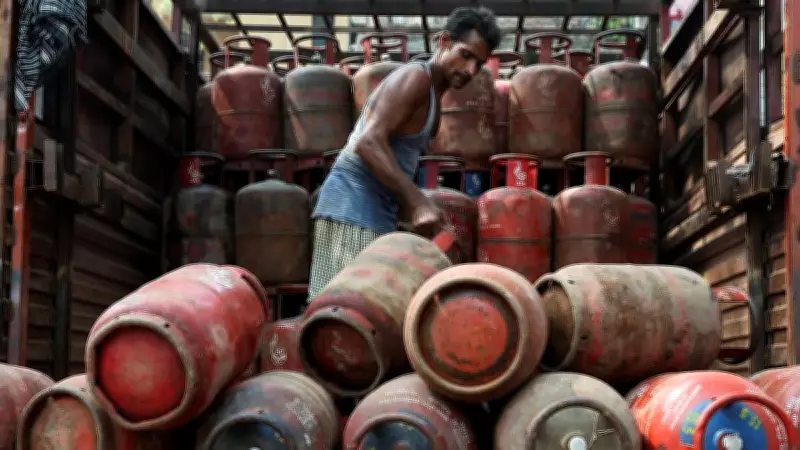
The distribution of LPG in India is managed by a robust network involving both public and private sector entities. State-owned oil marketing companies (OMCs), including IOC, BPCL, and HPCL, play a pivotal role in procuring, storing, and distributing LPG across the country. They operate extensive bottling plants where LPG is filled into cylinders under strict safety protocols.
Private companies also participate in the distribution chain, often focusing on specific regions or industrial segments. The supply chain encompasses transportation via pipelines, ships, and trucks to ensure timely delivery to distributors and end-users. Government initiatives, such as the Pradhan Mantri Ujjwala Yojana, have further expanded access to LPG, particularly in rural areas, by providing subsidized connections to low-income households.
Challenges and Future Outlook
Despite the well-established supply chain, India faces challenges in its LPG sector, including dependency on imports, price volatility in international markets, and logistical hurdles in remote regions. To enhance energy security, efforts are underway to boost domestic production through exploration and technological advancements.
Looking ahead, India aims to diversify its import sources and invest in infrastructure to streamline distribution. The focus on renewable energy and alternative fuels may also influence the LPG landscape, but for now, it remains a vital energy source for cooking and industrial processes, underpinned by a complex yet efficient supply system.