India Rushes Flexible-Fuel Vehicle Plan as Middle East War Sparks Energy Supply Worries
The ongoing conflict in West Asia, coupled with heightened anxieties over global energy supplies, has spurred the Indian government to explore an accelerated rollout of flexible-fuel vehicles (FFVs). These vehicles are capable of operating on blended petrol as well as 100% ethanol, offering a strategic alternative amid geopolitical instability.
Manufacturers Highlight Consumer Hurdles for Faster Adoption
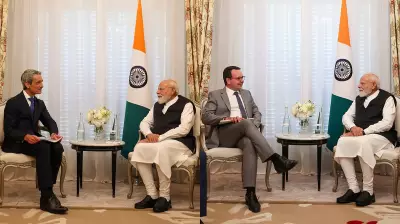
At a pivotal meeting convened by the petroleum ministry on Saturday, original equipment manufacturers (OEMs) emphasized the critical need to address consumer concerns to facilitate swifter adoption of FFVs. Key issues raised include the necessity to lower fuel costs, particularly as vehicle mileage decreases when using ethanol compared to conventional petrol.
Industry insiders familiar with the developments revealed that major car and two-wheeler manufacturers have already prepared prototype FFV models. The focus now shifts to the government creating a supportive ecosystem to enable widespread adoption of these vehicles.

Ethanol Blending Success and the Push for FFVs
The government has consistently highlighted that achieving 20% ethanol blending in petrol has enabled India to save approximately 4.5 crore barrels (700 crore litres) of crude oil imports annually. This success underscores the potential of alternative fuels in enhancing energy security.
Officials and industry sources indicate that FFVs present a more viable option than merely increasing ethanol blending percentages in petrol. Higher blending levels could adversely affect the performance of existing vehicles, making FFVs a preferable solution.
Key Demands from the Automotive Industry
A person privy to the discussions stated that the meeting centered on establishing enabling conditions for FFVs. The industry articulated several essential requirements:
- A clear roadmap for fuel stations that will dispense ethanol, ensuring accessibility for consumers.
- Compensation for mileage loss, as ethanol usage results in around 27%-30% lower mileage compared to petrol.
- Addressing consumer perception to prevent buyers from feeling "cheated" due to reduced mileage.
Additionally, last year, Petroleum Minister Hardeep Singh Puri wrote to Finance Minister Nirmala Sitharaman advocating for GST parity between FFVs and electric vehicles (EVs). Currently, FFVs attract a 28% GST rate, whereas EVs benefit from a reduced rate of 5%.
The Broader Context: Energy Security in a Volatile Region
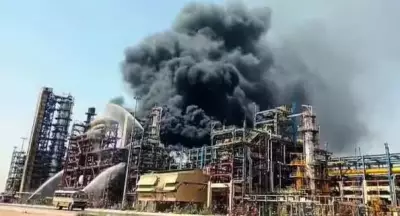
The urgency to promote FFVs is amplified by the escalating tensions in West Asia, including conflicts involving Israel, Iran, and the United States. These geopolitical dynamics threaten global energy supply chains, prompting India to bolster its domestic energy resilience through innovative automotive technologies.
As the government and industry collaborate to overcome challenges, the accelerated development of FFVs could mark a significant step toward reducing dependency on imported crude oil and mitigating risks associated with international energy market fluctuations.