Hindalco Industries Suspends Extruded Aluminum Sales Amid Iran War Supply Chain Crisis
Hindalco Industries Ltd, a major Indian aluminum producer, has officially notified its customers about the suspension of sales for extruded aluminum products. This decisive move highlights the rapidly broadening impact of the ongoing Iran war on the global metal supply chain, with disruptions now extending far beyond the immediate conflict zone.
Force Majeure Invoked as Supply Chain Turmoil Intensifies
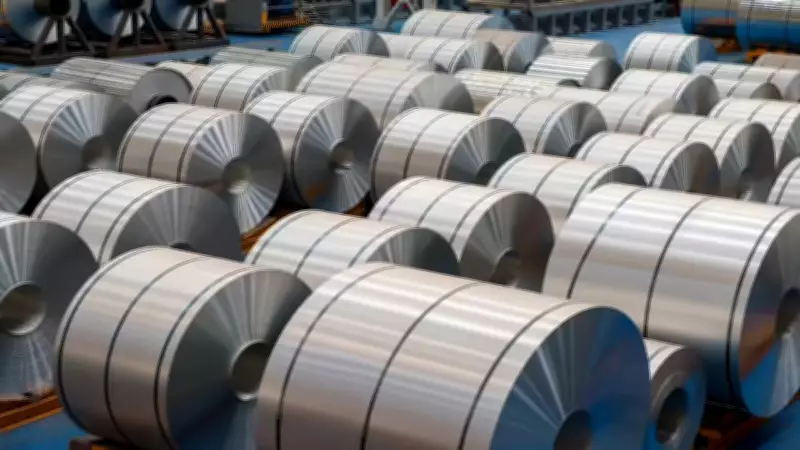
According to sources familiar with the private communications, Hindalco has invoked force majeure clauses in its supply contracts with buyers. This legal provision allows companies to suspend contractual obligations due to extraordinary circumstances beyond their control. The people, who requested anonymity due to the sensitive nature of the discussions, confirmed that the suspension specifically affects extruded aluminum products, which are critical components in industries such as automotive manufacturing and construction.
A spokesperson for Hindalco did not provide an immediate comment when contacted. However, the sources clarified that while the sales of extruded products are halted, the company's smelters in India—which produce the commodity-grade metal used for extrusion—continue to operate normally. This distinction underscores a key bottleneck: the transformation of aluminum ingots into end-use products requires not only electricity but also a reliable supply of natural gas, which is now disrupted.

Global Aluminum Market Faces Severe Shortage Threats
The suspension by Hindalco comes amid escalating warnings from analysts and traders about potential severe shortages in the global aluminum market. The primary catalyst is the effective halt on shipping through the Strait of Hormuz, a crucial waterway for energy and raw material transit. This disruption has already prompted several aluminum smelters in West Asia to suspend their sales, and there are growing expectations that output cuts may follow if additional raw materials cannot be imported soon.
The supply-chain turmoil is not confined to West Asia. Manufacturers and industrial businesses in India are also experiencing significant disruptions to gas supplies that transit through the strait, further complicating production processes. As the crisis deepens, the global aluminum market is witnessing dramatic price movements and logistical challenges.
Price Surges and Market Reactions
Since the onset of the Iran conflict, aluminum prices have skyrocketed. On Thursday, futures on the London Metal Exchange (LME) hit their highest level in nearly four years, reflecting intense market anxiety. In physical markets across Asia and the United States, manufacturers are paying increasingly steep premiums over the LME benchmark to secure spot supplies at short notice.
Concurrently, traders have been aggressively withdrawing stockpiles from LME warehouses, scrambling to mitigate supply uncertainties. This frenetic activity underscores the widespread concern that unless shipping through the Strait of Hormuz resumes promptly, the aluminum industry could face prolonged and severe supply constraints.
The situation remains fluid, with stakeholders closely monitoring developments in the region. Hindalco's suspension serves as a stark indicator of how geopolitical conflicts can ripple through global supply chains, affecting everything from raw material availability to end-product manufacturing in diverse sectors worldwide.