Haryana Mustard Procurement Off to a Slow Start Amid Farmer Shift to Private Buyers
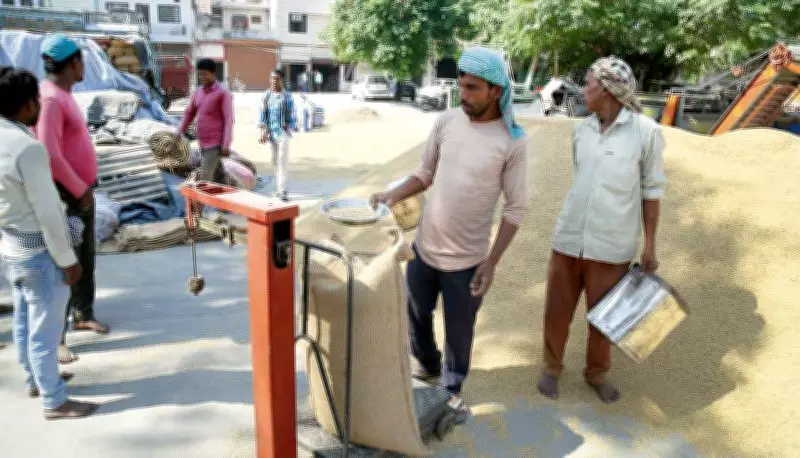
The mustard procurement season in Haryana has commenced with a notably sluggish pace, as a significant number of farmers are bypassing government agencies in favor of private buyers. This trend is primarily driven by the allure of higher prices and prompt payments offered by private entities, which stand in stark contrast to the often delayed processes associated with state-run procurement systems.
Factors Behind the Slow Government Procurement
Several key factors are contributing to the slow start of mustard procurement by government agencies in Haryana. Firstly, private buyers are reportedly offering prices that exceed the Minimum Support Price (MSP) set by the government, making them a more attractive option for farmers seeking to maximize their profits. Additionally, private transactions typically involve immediate cash payments, eliminating the waiting periods that can accompany government procurement, where payments might be delayed due to bureaucratic procedures.
Moreover, farmers have expressed concerns over the logistical challenges and paperwork involved in selling to government agencies, such as the need for proper documentation and adherence to specific quality standards. In contrast, private buyers often provide more flexible terms and quicker turnaround times, allowing farmers to sell their produce with greater ease and efficiency.

Impact on the Agricultural Sector in Haryana
The shift towards private buyers could have significant implications for Haryana's agricultural sector. On one hand, it empowers farmers by providing them with better market options and potentially higher incomes, which can improve their livelihoods and reduce financial stress. This aligns with broader trends in Indian agriculture where farmers are increasingly exploring alternative sales channels to enhance their earnings.
On the other hand, the reduced participation in government procurement might affect the state's ability to maintain buffer stocks and stabilize market prices. Government agencies like the Haryana State Agricultural Marketing Board play a crucial role in ensuring food security and price support, and a decline in their procurement volumes could challenge these objectives. However, this scenario also highlights the growing competitiveness of private players in the agricultural market, which could drive innovation and efficiency in the long run.
Broader Context and Future Outlook
This development in Haryana reflects a larger national trend where farmers are becoming more market-savvy and seeking out the best deals for their produce. It underscores the need for government agencies to streamline their procurement processes, offer more competitive prices, and ensure timely payments to remain relevant in the evolving agricultural landscape.
Looking ahead, stakeholders in Haryana's agriculture sector will need to monitor this trend closely. If private buyers continue to dominate, it could lead to a restructuring of procurement strategies and policies. Farmers, meanwhile, are likely to continue weighing their options based on price, convenience, and reliability, making this a dynamic issue with potential long-term effects on the state's economy and food systems.