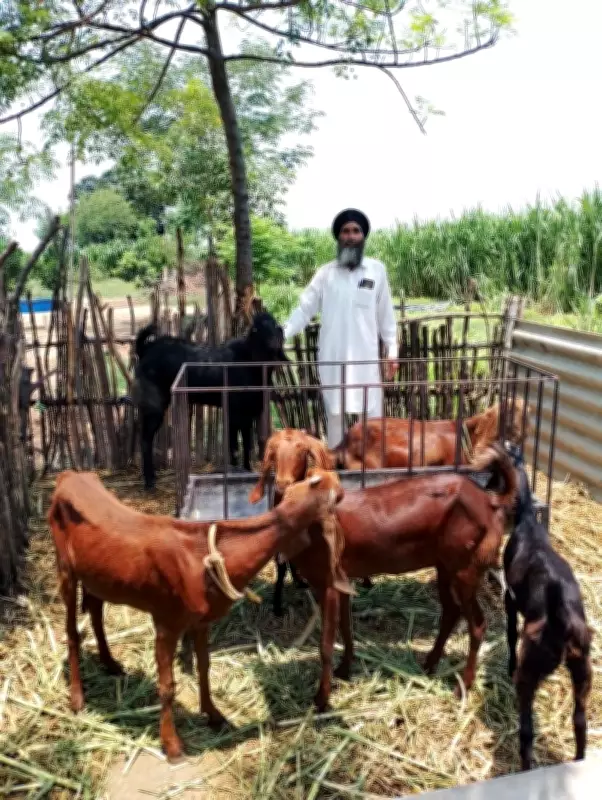
Gurdaspur Farmer's Profitable Shift: From Crops to Animal Rearing
A farmer in Gurdaspur, Punjab, has made a remarkable transition from traditional crop farming to animal rearing, achieving significant financial success and setting an inspiring example for the agricultural community. This strategic move highlights the potential for diversification in farming practices to enhance profitability and sustainability in the region.
Embracing Animal Rearing for Better Returns
The farmer, whose name has not been disclosed in the original report, decided to shift focus from conventional crop cultivation to animal rearing after facing challenges with fluctuating crop yields and market prices. By investing in livestock, particularly dairy animals, he has managed to create a more stable and lucrative income stream. This decision underscores the growing trend among farmers in Punjab to explore alternative agricultural ventures to mitigate risks associated with traditional farming.
Milking Huge Profits from Dairy Farming
Through dedicated efforts and modern farming techniques, the farmer has successfully increased milk production, leading to substantial profits. The adoption of improved animal husbandry practices, including better feed management and healthcare for the livestock, has played a crucial role in boosting productivity. This success story demonstrates how animal rearing can be a viable and profitable option for farmers looking to diversify their agricultural activities.

Impact on Local Agriculture and Community
The farmer's achievement has not only benefited his own family but has also inspired neighboring farmers in Gurdaspur to consider similar shifts. By showcasing the financial advantages of animal rearing, he has contributed to a broader conversation about agricultural diversification in Punjab. This move could potentially lead to more sustainable farming practices and economic resilience in the face of climate change and market uncertainties.
Challenges and Future Prospects
While the transition to animal rearing has been profitable, it comes with its own set of challenges, such as initial investment costs and the need for specialized knowledge. However, with support from government schemes and agricultural extension services, more farmers could be encouraged to adopt this model. The future looks promising for those willing to innovate and adapt to changing agricultural landscapes.
In summary, the Gurdaspur farmer's successful shift to animal rearing serves as a powerful example of how diversification can lead to enhanced profits and sustainability in farming. This story highlights the importance of exploring new avenues in agriculture to ensure long-term economic stability for farmers in Punjab and beyond.