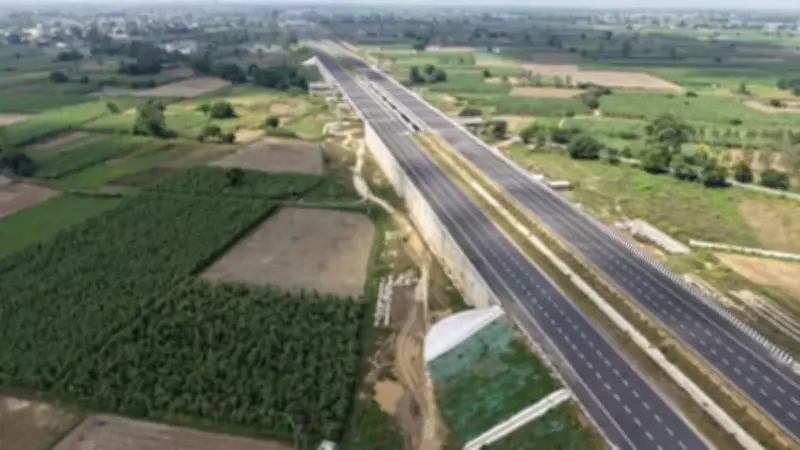
Ganga Expressway Toll Charges and Key Details Announced Ahead of 2026 Inauguration
The Ganga Expressway, a monumental infrastructure project in Uttar Pradesh, has seen its toll charges and other critical operational details officially unveiled as preparations intensify for its grand inauguration scheduled for 2026. This announcement provides much-needed clarity for commuters and businesses anticipating the expressway's launch, which promises to significantly enhance connectivity and economic activity across the region.
Official Toll Charges Structure
Authorities have released a detailed toll charges structure for the Ganga Expressway, designed to balance affordability with the project's substantial construction and maintenance costs. The toll rates are categorized based on vehicle type, with light motor vehicles such as cars and jeeps set to pay a base rate, while heavy commercial vehicles like trucks and buses will incur higher charges. This tiered pricing model aims to ensure fair usage while generating revenue essential for the expressway's long-term sustainability and upkeep.
Key highlights of the toll charges include:

- Light motor vehicles: A fixed rate per kilometer, making it cost-effective for daily commuters and small businesses.
- Heavy vehicles: Higher per-kilometer charges to account for greater wear and tear on the infrastructure.
- Seasonal passes: Options for frequent travelers to avail discounted rates, promoting regular usage and reducing per-trip costs.
- Electronic toll collection: Implementation of FASTag and other digital payment systems to ensure seamless and efficient toll processing, minimizing delays at plazas.
Project Overview and Key Details
The Ganga Expressway is poised to be one of the longest and most significant expressways in India, stretching approximately 594 kilometers from Meerut to Prayagraj. It is strategically aligned along the banks of the Ganga River, facilitating smoother and faster travel between major urban centers and industrial hubs in Uttar Pradesh. The expressway is expected to reduce travel time by up to 50% on key routes, boosting logistics efficiency and supporting regional development.
Other essential details announced ahead of the inauguration include:
- Construction progress: Over 70% of the expressway's construction is reportedly complete, with ongoing work focused on bridges, interchanges, and safety features to meet the 2026 deadline.
- Safety measures: Implementation of advanced safety protocols, including CCTV surveillance, emergency response systems, and well-designed entry-exit points to prevent accidents and ensure user security.
- Environmental considerations: Incorporation of eco-friendly practices, such as green belts and noise barriers, to mitigate the project's environmental impact and align with sustainability goals.
- Economic impact: Projections indicate that the expressway will create thousands of jobs during and after construction, while stimulating trade and tourism by improving access to key destinations.
Anticipated Benefits and Future Implications
The Ganga Expressway is not just a transportation corridor but a catalyst for economic transformation in Uttar Pradesh. By reducing travel time and logistics costs, it is expected to attract investments, enhance industrial productivity, and improve the quality of life for residents. The toll charges, while a necessary revenue stream, are structured to remain competitive, encouraging widespread adoption and maximizing the expressway's utility.
As the 2026 inauguration approaches, stakeholders are closely monitoring the project's final phases, including testing and commissioning activities. The detailed announcement of toll charges and operational specifics underscores the government's commitment to transparency and timely delivery, setting a positive precedent for future infrastructure initiatives in India.