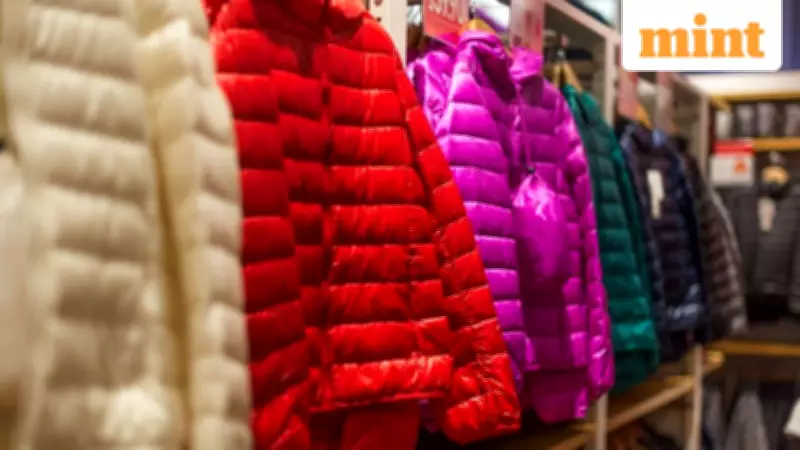
Erratic Winter Weather Puts Clothing Retailers on Thin Ice Again
For the second straight year, apparel retailers in India are grappling with underwhelming sales of winter wear due to an unusually delayed and milder winter, particularly affecting regions in north and west India. This slump is especially painful as winter sales, combined with the wedding season, typically drive around 20% of the industry's annual revenue, according to industry estimates.
Initial Optimism Dashed by Mild Conditions
Early signs of a La Niña weather pattern, known for bringing freezing temperatures, sparked some initial buying in the September quarter. However, the winter remained unusually mild, leaving stores with surplus inventory. Excess rainfall and cyclonic activity during the festive period in eastern and southern India further dampened seasonal buying, compounding the pressure on sales that are usually front-loaded.
India's apparel market was valued at over ₹9 trillion in FY25, with 41% being organized, as reported by credit ratings firm CareEdge in January 2026. This context underscores the significant impact of weather disruptions on a major economic sector.

Retailer Strategies and Performance
V-Mart Retail: Managing director Lalit Agarwal noted that northern India experienced a delayed or milder winter, leading to erratic demand for heavy winter wear. He emphasized that while festive demand held up, winter demand was uncertain, prompting the company to prioritize margins over volume. CFO Anand Agarwal added that peak winters were delayed across North and West India, causing a post-Diwali lull. Despite this, V-Mart avoided inventory build-up, with winter categories accounting for 40-45% of quarterly sales, rising to over 60% during peak weeks in December.
Vishal Mega Mart: CEO Gunender Kapur highlighted that delayed winters often force promotions to clear merchandise, but the company achieved robust double-digit same-store growth for the season. Demand picked up significantly in January, with winter merchandise still selling well. Kapur attributed this to maintaining pricing discipline, which protected profit margins.
V2 Retail: In contrast, V2 Retail reported strong performance, with revenue surging nearly 60% year-on-year in Q3, driven by winter wear. Managing director Akash Agarwal credited an early onset of winter in eastern and north-eastern markets, where the company has a stronger presence, leading to higher average selling prices and margins.
Broader Climate Change Challenges
Two consecutive years of sluggish sales due to erratic winters highlight the growing challenges posed by climate change for apparel retailers. Devangshu Dutta, founder of consulting firm Third Eyesight, explained that while seasons have always been unpredictable, the issue has intensified as businesses scale up nationwide, stretching supply chains. Winterwear is particularly vulnerable due to its higher value per unit, shorter selling window, and smaller market.
Data from a World Meteorological Organisation report in January 2026 indicated that 2025 was among the three warmest years on record globally, with background warming from greenhouse gases overwhelming natural variability. This trend suggests that climate change will intensify seasonal shifts, making industries like winter apparel increasingly susceptible to unpredictable weather and weaker cold spells.
As retailers navigate these uncertainties, strategies such as margin protection, inventory management, and regional diversification are becoming critical to weathering the storm of erratic winters.