

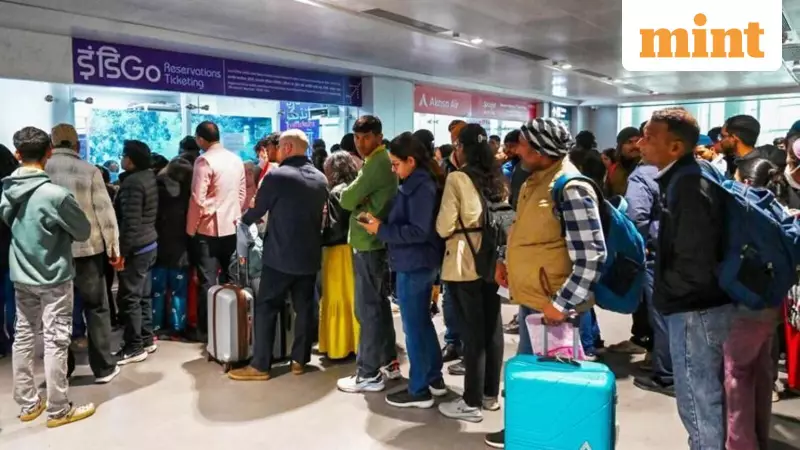
In a significant policy reversal, India's civil aviation regulator has provided airlines with greater flexibility in managing pilot schedules, aiming to ease severe operational disruptions that have led to thousands of flight cancellations.
Regulatory U-Turn After 11 Months
On Friday, the Directorate General of Civil Aviation (DGCA) withdrew a contentious instruction issued on 20 January 2025. That rule had strictly prohibited airlines from substituting pilots' leave—whether casual, sick, or earned—for their mandatory weekly rest period. The withdrawal ends nearly a year of operational turmoil for the industry.
The earlier provision meant that if a pilot took even a single day of leave in a week, the entire weekly rest requirement was considered non-compliant, regardless of other consecutive off days. Airlines had argued this rule severely hampered operational stability and paradoxically increased fatigue risks during disruptions.

Immediate Relief for Airlines, Especially IndiGo
The decision offers partial relief to all carriers but is particularly crucial for IndiGo, India's largest budget airline by market cap. IndiGo has been grappling with one of its worst operational crises following the rollout of new Flight Duty Time Limitations (FDTL) norms on 1 November.
Since the new rules took effect, IndiGo has cancelled over 1,550 flights as of 4 December. Cancellations persisted on Friday, with the airline cancelling all Delhi departures until midnight, creating a major capacity crunch on domestic routes. This breakdown has triggered ripple effects, including fare spikes and congestion at major airports.
The DGCA stated the reversal was made "in view of the ongoing operational disruptions and representations received from various airlines regarding the need to ensure continuity and stability of operations."
Flexibility vs. Safety Concerns
Industry experts view the move as pragmatic. Gagan Dixit, Senior Vice President at Elara Securities, explained that the regulator is not rolling back the fundamental FDTL norms but has "softened the implementation." He noted this strikes a balance, easing the operational crunch while keeping the broader safety framework intact.
However, pilot unions and safety consultants have sharply criticized the U-turn. Captain Sam Thomas, President of the pilot union ALPA India, called the entire approach a "pressure tactic" by an airline to arm-twist the regulator. He emphasized that pilot fatigue is a genuine concern being overlooked.
Mark D. Martin, CEO of Martin Consulting, said the reversal shows the DGCA in "very poor light," calling it unethical and suggesting IndiGo used its market size to its advantage. Sanjay Lazar, CEO of Avialaz Consulting, echoed this, stating the move "paints the Indian aviation regulator in a poor light, as being malleable to airlines' pressure" and could allow airlines to manipulate rosters around pilots' leaves.
The core change is simple: airlines no longer need to differentiate between leave and weekly rest when rostering. If a pilot is granted 48 hours of earned leave, it can now be counted as having fulfilled the weekly rest requirement, granting airlines much-needed scheduling flexibility.






