

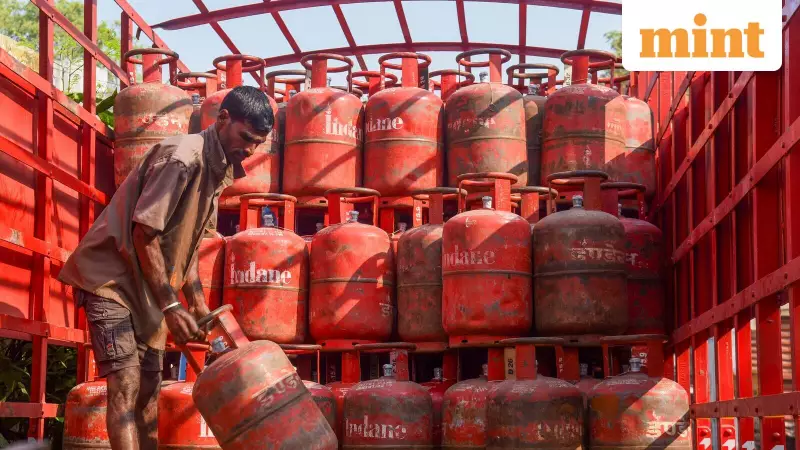
The new year has brought a fresh financial burden for businesses across India's major metros. Effective from the first day of 2026, the price of commercial LPG cylinders has been revised upward, impacting enterprises that rely on the fuel for their operations.
Details of the Commercial LPG Price Revision
The price increase, which came into force on January 1, 2026, applies specifically to the 19-kg commercial LPG cylinders used by restaurants, hotels, and other industries. The hike amounts to ₹111 per cylinder, a significant jump that will directly affect operational costs for countless businesses.
New LPG Cylinder Prices in Major Cities
The revised pricing structure varies across the four major metropolitan cities. In the national capital, the price of a 19-kg commercial cylinder in Delhi has risen to ₹1,691.50, up from its previous rate of ₹1,580.50.

Over in the financial capital, Mumbai, businesses will now have to pay ₹1,642.50 for a cylinder, compared to ₹1,531.50 earlier.
The eastern hub of Kolkata has witnessed its price climb from ₹1,684 to a new level of ₹1,795 per commercial cylinder.
Notably, Chennai now has the steepest price point among these cities. The rates there have escalated from ₹1,739.50 to ₹1,849.50, marking the highest cost for businesses in the southern metro.
Impact and Implications for Indian Businesses
This upward revision in commercial LPG cylinder prices is set to squeeze profit margins for a wide array of sectors. The industries most likely to feel the pinch include:
- Hospitality: Restaurants, cafes, and food stalls.
- Manufacturing: Small-scale units using LPG for processes.
- Services: Bakeries, laundries, and other service providers.
The ₹111 hike represents a direct increase in input costs, which may force businesses to either absorb the impact or pass it on to consumers through higher prices for goods and services. This move could contribute to inflationary pressures in the economy, particularly in the food and services sectors.
Analysts suggest that such revisions in fuel pricing are often linked to global energy market trends and domestic subsidy policies. The targeted increase for commercial cylinders, while sparing domestic users for now, indicates a continued focus on aligning commercial energy prices with market rates.
Business owners are advised to factor this increased operational cost into their financial planning for the coming quarter. The revision serves as a reminder of the volatile nature of energy costs and the need for enterprises to build resilience and efficiency into their fuel-dependent operations.






