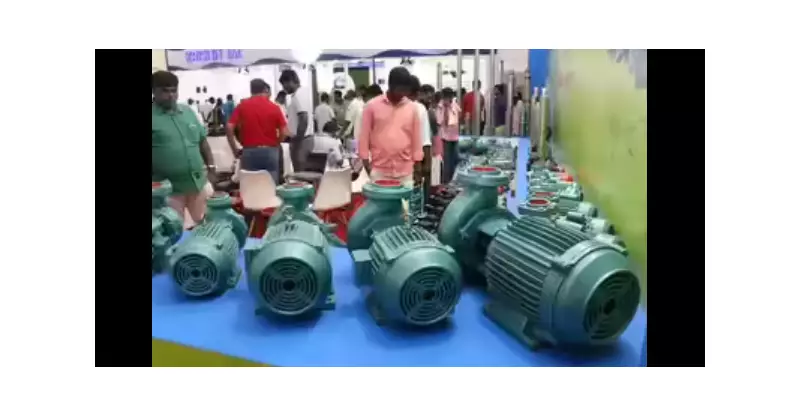
The Micro, Small, and Medium Enterprises (MSME) sector in Coimbatore is grappling with a severe crisis due to a sharp and sustained increase in the prices of essential raw materials, including aluminium, copper, and steel. This alarming trend has compelled the Coimbatore District Small Industries Association (Codissia) to urgently appeal to the Central government for immediate intervention to stabilize and control these escalating costs.
Codissia's Formal Appeal to Ministries
Codissia has officially written to the Union ministries of mines and steel, highlighting the critical need for government action to rein in the prices of these fundamental inputs. The association emphasized that aluminium, copper, and steel are indispensable for the operations of MSMEs, which form the backbone of the Indian economy. These enterprises contribute a substantial 31% to the nation's GDP, account for 48% of total exports, and provide employment to nearly 180 million people across the country.
Coimbatore's Pivotal Role in the MSME Landscape
Coimbatore holds a prominent and strategic position within India's MSME ecosystem. The city is a major hub for industries manufacturing pump-sets, motors, electrical machinery, compressors, and automobile components. For these sectors, copper, aluminium, and steel are not just materials but the very lifeblood of production, making any price volatility directly impactful on their viability and growth.

Artificial Price Escalation and Margin Squeeze
Codissia President M. Karthikeyan pointed out a concerning disparity in pricing trends. While global prices for aluminium and copper have risen by 7% to 15%, following international market trends, the domestic prices in India have surged by nearly 20%. This significant discrepancy suggests an artificial price escalation by domestic traders, exacerbating the burden on local industries.
Karthikeyan explained that MSMEs typically operate on thin profit margins, ranging between just 5% and 8%. A 20% increase in raw material costs, therefore, poses a direct threat to their operational continuity, profitability, and overall sustainability. Such a spike can severely disrupt production cycles, affect competitiveness, and jeopardize long-term business prospects.
Specific Price Hikes Illustrate the Crisis
To highlight the severity of the situation, Karthikeyan provided concrete examples of the price escalation. Aluminium sheets, crucial for manufacturing pump sets and motors, have jumped from Rs 240 per kg in October of the previous year to Rs 320 per kg currently. Similarly, copper prices have witnessed a dramatic rise, increasing from Rs 900 per kg in October to Rs 1,300 per kg at present.
Steel prices have also climbed, registering a 10% increase over the past four months. In many manufacturing units, steel alone constitutes over 30% of the total production costs. This frequent and sharp volatility in raw material prices has significantly eroded the already narrow profit margins of MSMEs, affecting their market competitiveness and financial health.
Codissia's Demands for Government Action
In response to this crisis, Codissia has put forth a series of specific demands aimed at providing relief to the beleaguered MSME sector. The association has urged the Centre to remove import duties on aluminium and copper entirely. Additionally, it has called for restrictions on the export of these raw materials to ensure adequate domestic availability and stabilize prices.
Karthikeyan emphasized that such measures would not only support the MSME sector but also boost GDP growth and strengthen the government's flagship 'Make in India' initiative by making domestic manufacturing more cost-competitive.
Addressing Steel Market Dynamics
The association has also raised concerns about the steel market, alleging that restrictions on steel imports have led to artificial shortages within the domestic market. With the industry heavily dependent on imports, these constraints have further fueled price instability.

To counter this, Codissia has demanded that steel imports be allowed with nil customs duty and that all anti-dumping duties be completely withdrawn. Furthermore, the association has sought the introduction of a Maximum Retail Price (MRP) system for steel and a ban on steel exports. These steps are deemed essential to guarantee sufficient domestic supply and prevent speculative pricing.
Issues with SAIL Yard and Availability
Codissia highlighted ongoing supply chain issues, noting that despite the reopening of the Steel Authority of India Limited (SAIL) yard at Peelamedu after a gap of 12 years, required materials often remain unavailable for MSME units. Paradoxically, the same SAIL products are frequently found with private traders and domestic dealers in the city, suggesting distribution inefficiencies.
The association has urged the authorities to improve direct availability of materials for MSMEs from the SAIL yard. Ensuring this would help fully realize the objective of reopening the facility and provide effective, tangible support to the region's vital MSME sector, which is currently under immense pressure from unsustainable input costs.