Chennai Hospitality Sector Crippled by Severe LPG Shortage
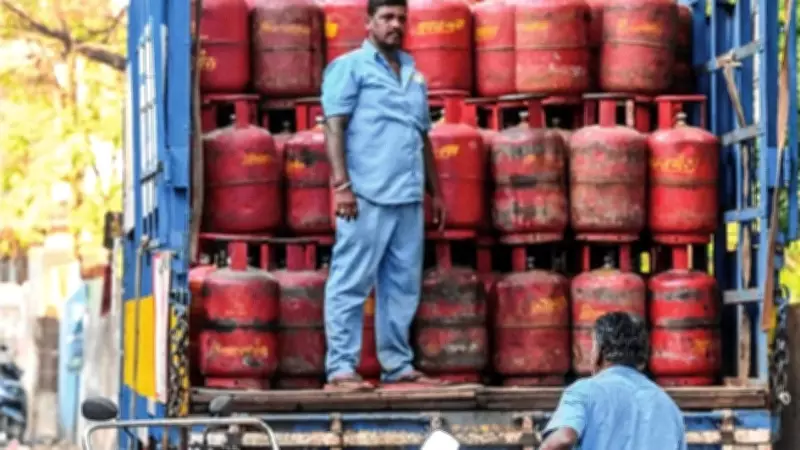
Multiple small eateries across Chennai remained completely shut on Wednesday as the liquefied petroleum gas (LPG) shortage crisis intensified throughout the metropolitan area. The situation has forced canteens, hostels, and even hospitals to implement drastic gas consumption cuts, either by significantly scaling down their menus or closing live cooking counters entirely.
Emergency Meeting and Warnings of Further Closures
According to the Chennai Hotels Association, approximately 15% of the city's hotels had closed their doors by 3:30 PM on Wednesday after completely exhausting their gas supplies. Around the same time, representatives from various hotel associations held an urgent meeting with senior officials at the Secretariat. They issued a stark warning that unless gas deliveries resume immediately, another 15% of restaurants could be forced to close by Thursday, creating what opposition parties have termed an 'emergency situation' in the hospitality sector.
National Supply Disruption Linked to West Asia Conflict
This critical shortage forms part of a nationwide disruption in LPG supply that began last week amid escalating unrest and conflict in West Asia. Major oil companies have since implemented restricted distribution policies, diverting available stock primarily to essential institutions like hospitals and educational facilities. "We specifically requested the state government to press the central government to classify hotels as essential services," stated Tamil Nadu Hotels Association president M Venkadasubbu during the discussions.

Restaurants Forced to Adapt with Electric Alternatives
In Chennai, restaurateurs reported that commercial LPG cylinders have been unavailable for at least three consecutive days. Prominent restaurant chains including Namma Veedu Vasantha Bhavan and Adyar Ananda Bhavan revealed they have shifted approximately 80% of their cooking operations to electric stoves as an emergency measure. In a formal list of demands submitted to government authorities, hotel owners have specifically requested:
- A complete waiver of peak-hour electricity charges between 6 AM and 10 AM, and again from 6 PM to 10 PM
- Permission for hotels with low-tension electrical service to purchase power directly from suppliers
- Government recognition of solar-powered hotels as domestic consumers for billing purposes
"The state government has heard our pressing demands, and we are now awaiting concrete solutions," confirmed M Ravi, president of the Chennai Hotels Association.
Widespread Impact Across Institutions and Daily Life
The crisis has extended far beyond restaurants alone. Prestigious clubs such as the Madras Gymkhana informed members that their kitchens would only prepare dishes requiring minimal gas usage. Numerous corporate canteens have shut down their live cooking counters, while hostels have turned to simple rice-based meals to conserve their limited energy resources. "Coffee and tea were only available in the evening. Live counters that typically served dosa and chappati were completely unavailable," explained R Arjun, an employee at an IT firm located in the MEPZ special economic zone.
Hospitals and Schools Also Affected Despite Priority Status
Even hospitals and schools, which were prioritized for whatever limited gas supply remained, have been instructed to use their allocations as sparingly as possible. Some private schools that normally purchase meals from external caterers have significantly scaled down their menu offerings. "We now have sundal and basic bakery items for snacks instead of the usual chaat preparations," shared a teacher from a private school in Vadapalani, highlighting how the crisis is affecting daily nutrition for students.

Broader Implications and Industry Concerns
The LPG shortage represents a cascading effect of international conflict on local economies, with the hospitality sector bearing immediate brunt of supply chain disruptions. Restaurant owners express growing concern about long-term viability if the situation persists, particularly with increased operational costs from electricity alternatives. The crisis has sparked broader discussions about energy security, essential service classifications, and emergency preparedness for urban infrastructure during global supply disruptions.