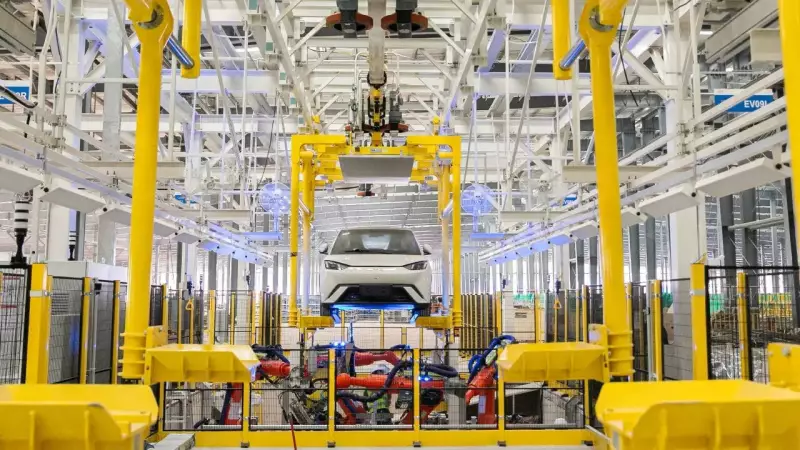
Chinese electric vehicle manufacturer BYD is actively exploring the possibility of establishing local assembly operations in India. This strategic move comes as the company faces a dual challenge: surging demand for its electric cars and stringent import restrictions that are hampering growth.
Evaluating Assembly Options Amid Regulatory Hurdles
According to sources familiar with the matter, BYD is currently assessing semi-knocked-down (SKD) or similar assembly methods to produce its electric vehicles within India. This development follows India's earlier rejection of BYD's proposal to set up a comprehensive manufacturing facility, primarily due to concerns surrounding Chinese investments.
Why SKD Assembly Emerges as a Viable Alternative
With the full-scale manufacturing route currently closed, local assembly of semi-finished components has surfaced as a more feasible option. Compared to establishing an entire factory, SKD assembly demands significantly lower capital investment. Moreover, it is perceived as easier to manage from a regulatory perspective, offering a smoother path to market entry.

Rising Demand Meets Supply Constraints
Demand for BYD's electric vehicles in the Indian market has experienced a sharp increase, placing considerable pressure on existing import limits. Reports indicate that dealers are currently holding hundreds of bookings, with a substantial portion of the inventory for the December quarter already allocated to customers.
Impressive Sales Growth Hindered by Tariffs
BYD's sales in India surged by approximately 88 percent last year, reaching nearly 5,500 units. However, this growth trajectory has been restrained by high tariffs and import quotas. Transitioning to local SKD assembly could substantially alleviate these constraints, potentially leading to reduced import duties.
Potential Benefits of Local Assembly
Adopting a local assembly approach would not only ease import limitations but also provide BYD with greater flexibility in pricing and volume management. This strategic shift could enhance the company's competitiveness in the rapidly evolving Indian electric vehicle landscape.
Current Product Lineup and Approvals
Presently, BYD offers the Atto 3 electric SUV and the eMax7 MPV in the Indian market. Both models have received approvals for import beyond the standard quota of 2,500 units. The company's portfolio also includes the Sealion 7 and the Seal electric sedan, broadening its appeal to diverse consumer segments.
As BYD navigates the complexities of the Indian automotive sector, its exploration of local assembly underscores a pragmatic approach to overcoming regulatory and supply challenges while capitalizing on growing electric vehicle demand.