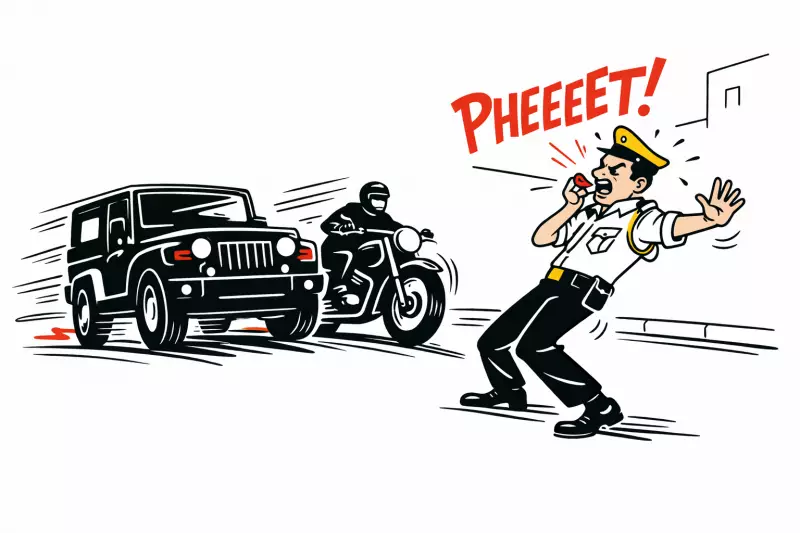
On a crisp winter morning near Rohtak in Haryana, a familiar Indian scene unfolded: a wedding procession found itself stalled. Yet, the delay wasn't caused by the typical cacophony of competing brass bands. Instead, the road was commandeered by a different kind of procession—a rumbling convoy of Royal Enfield Bullet motorcycles. Their distinct thump echoed like a primal heartbeat, forcing a temporary halt. An elderly shopkeeper, observing from his doorstep, captured the moment perfectly with a wry, resigned smile and a local saying: "Jab Bullet chalegi, gali hil jayegi" (When the Bullet roars, the street rumbles). This vignette, reported by Lijee Philip in The Economic Times on December 21, 2025, underscores a growing perception: the Bullet, alongside the rugged Mahindra Thar, has evolved into the quintessential 'bad boy' of Indian roads.
The Roar That Rules the Street
The transformation of these machines from mere vehicles to cultural icons is rooted in their undeniable presence. The Royal Enfield Bullet, with its iconic thumping engine and classic silhouette, has long been more than just a motorcycle. It represents a legacy of ruggedness and a connection to a bygone era of motoring. Similarly, the Mahindra Thar, with its boxy, utilitarian design and go-anywhere capability, projects an image of raw, untamed power. Together, they dominate the auditory and visual landscape of urban and rural settings alike. Their very design encourages a certain style of riding and driving—assertive, confident, and impossible to ignore. This inherent character naturally attracts owners who identify with these traits, further cementing their rebellious reputation.
More Than Metal: A Cultural Phenomenon
This status isn't solely about horsepower or torque. It's a deeply ingrained social phenomenon. Ownership of a Bullet or a Thar often signifies membership into a close-knit tribe. These communities organize rides, modify their machines, and share a distinct identity that sets them apart from regular commuters. The convoy in Rohtak wasn't just traffic; it was a mobile statement. This group identity, while fostering camaraderie, can sometimes translate into a perceived sense of entitlement on the road, contributing to the 'bad boy' label. The vehicles become extensions of personal identity, symbols of breaking free from the monotony of conventional sedans and scooters.

The Impact and The Road Ahead
The consequence of this cultural shift is a dual-edged sword. On one hand, it has revitalized classic automotive design and created passionate consumer communities, boosting brand loyalty for Royal Enfield and Mahindra. On the other, it occasionally leads to real-world tensions with other road users, as the anecdote from Haryana illustrates. The very qualities that make these vehicles beloved—their commanding presence and distinctive sound—can be sources of friction in shared public spaces. The challenge lies in balancing this vibrant subculture with responsible road-sharing etiquette.
Ultimately, the ascent of the Bullet and the Thar as India's road rebels is a story about aspiration and identity. They are not chosen for their fuel efficiency or ease of parking. They are chosen for the statement they make—a statement of individuality, power, and a touch of defiance. As long as that desire exists, the rumble on the streets is likely to continue, ensuring these iconic machines remain central characters in the ever-evolving story of Indian roads.