Bhopal's Culinary Sector Forced to Embrace Coal as LPG Crisis Deepens
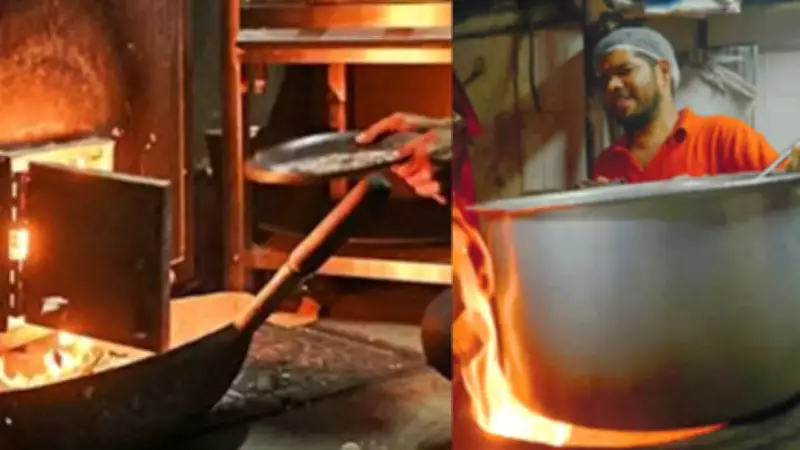
A severe shortage of commercial LPG cylinders has begun to severely impact Bhopal's vibrant food industry, compelling numerous hotels and roadside dhabas to resort to what local traders have dubbed "black gold" – coal briquettes – in order to keep their kitchen operations functional and their businesses afloat. This shift comes despite the Bhopal Municipal Corporation's (BMC) explicit ban on the use of such polluting fuels under its stringent clean-air regulations, highlighting the desperation faced by food service operators.
Supply Chain Disruptions and Rising Demand for Alternative Fuels
With LPG supplies becoming increasingly erratic and delivery times now stretching beyond a full day, restaurant and eatery owners are being forced to revive traditional cooking methods, including stoves and tandoors that rely on coal. This unexpected resurgence has led to a sharp spike in demand for coal across the city. Coal traders report that orders have increased significantly in recent weeks, with small orders that previously averaged around 50 kilograms now hovering closer to 70 kilograms. For bulk buyers who purchase in quintals, the increase in demand is approximately 20%.
Zakir, a prominent coal seller operating in the Shahjehanabad area, explained the current market dynamics. "Delivery delays have become routine," he stated. "Kitchens are frequently waiting more than 24 hours for their coal supplies to arrive, which creates significant operational challenges for businesses that need to serve customers daily."

Significant Price Increases and Economic Calculations
The financial implications of this fuel shift are substantial. The price of mined "patthar" coal has surged dramatically, now retailing at approximately Rs 35 per kilogram compared to just Rs 25 before the current crisis began – representing a nearly 40% increase in basic fuel rates. Charcoal, the wood-based alternative, has become even more expensive, making coal briquettes the more practical and economically viable fallback option for most food establishments, despite their inherent drawbacks of producing more smoke and requiring longer cooking times.
A restaurant owner operating in Bhopal's historic walled city, who requested to remain anonymous, provided detailed insight into the economic calculations driving this transition. "Under normal circumstances, the regular price of a commercial LPG cylinder is about Rs 1,750, and my establishment typically requires two cylinders per day to meet our cooking needs," he explained. "By switching to approximately 50 kilograms of coal daily, I can cover my basic indoor kitchen requirements for roughly the same Rs 1,750 daily expenditure."
However, the current market reality has dramatically altered this equation. "The under-the-counter sales price of a commercial LPG cylinder has now skyrocketed to nearly Rs 4,000 each due to the severe shortage," the restaurant owner continued. "This makes coal a financially viable alternative for our operations, even with its operational challenges."
Operational Challenges and Broader Implications
Hotel and restaurant operators emphasize that coal is far from an ideal substitute for LPG. "Cooking with coal takes considerably longer, and managing the smoke it produces presents significant difficulties," noted one hotel owner. "But we genuinely have no alternative if we want to continue serving our customers and keeping our businesses operational."
Another establishment owner highlighted the broader social implications of this fuel crisis. "It's not just about my individual business," he stressed. "There are approximately ten other livelihoods directly tied to my restaurant's operations. If I don't adapt to these challenging circumstances, all of those people will be negatively impacted."
For the time being, most eateries and food establishments are absorbing the additional costs associated with this fuel transition rather than passing them on to customers through menu price increases. However, with the festive season currently underway and night-time dining representing a major revenue stream for many businesses, operators are warning that any sudden price hikes could potentially shrink customer footfall and significantly dampen business during this crucial economic period.

The situation remains fluid, with food industry stakeholders closely monitoring both LPG availability and coal supply chains as they navigate this unprecedented fuel crisis that threatens to reshape Bhopal's culinary landscape.