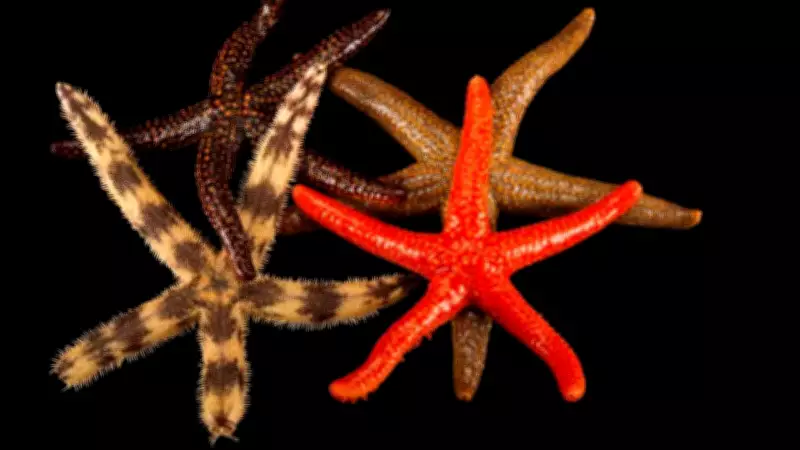
Starfish: The Marine Marvel That Thrives Without Blood in Its Body
The natural world is teeming with fascinating creatures, each boasting unique biological adaptations. Among these, the starfish, commonly known as a sea star, stands out for its extraordinary lack of blood. This characteristic surprises many, as blood is typically considered vital for life in most animals. Starfish belong to the echinoderm group, which includes sea urchins and sand dollars, and they have evolved a remarkable system to circulate nutrients, oxygen, and waste without relying on blood.
Why Starfish Don’t Need Blood to Survive
Most animals depend on blood, pumped by a heart through vessels, to transport essential materials throughout their bodies. In stark contrast, starfish lack a heart, blood vessels, and blood entirely. Instead, they utilize a specialized water vascular system. This system relies on seawater and internal body fluids to perform the functions that blood serves in other creatures. Seawater enters the starfish via a small opening called the madreporite, located at the top of its body, and then travels through a network of canals and tubes to distribute nutrients and oxygen.
The Water Vascular System Explained
Central to starfish anatomy is the water vascular system, which is crucial not only for nutrient and oxygen transport but also for movement and feeding. Inside the starfish, seawater circulates through radial canals that extend into each arm. From these canals, smaller tubes branch off to connect with hundreds of tube feet—flexible structures on the underside of the arms. By controlling water pressure in these tube feet, starfish can extend and retract them, enabling crawling on the ocean floor, gripping rocks, and prying open prey like clams and mussels.

How Starfish Get Oxygen Without Blood
Without blood or a heart, starfish rely on diffusion and dermal gills for gas exchange. Oxygen is absorbed directly through tiny projections on their skin, known as dermal gills, from the surrounding water. This absorbed oxygen is then distributed throughout the body. Since this process requires direct contact with water, starfish must inhabit moist environments; exposure to air can lead to oxygen deprivation and death.
Other Fascinating Facts About Starfish
The absence of blood is just one of many unique traits of starfish. They typically have five arms radiating from their bodies, though some species feature more. Their spiny skin offers protection from predators. Notably, starfish possess impressive regenerative abilities, allowing them to regrow lost arms or even generate a new individual from a single arm if part of the central body remains. Additionally, they exhibit unusual feeding behavior by extruding their stomachs outside their bodies to digest food externally.
The Importance of Starfish in Marine Ecosystems
Starfish play a critical role in maintaining balance in marine ecosystems. As predators of shellfish such as mussels and clams, they help regulate populations, preventing any single species from dominating and thus preserving biodiversity. Some starfish species are considered keystone species, meaning their presence significantly influences ecosystem structure. Their disappearance could lead to reduced diversity and ecological imbalance.
A Remarkable Animal Without Blood
The starfish exemplifies the incredible diversity of life on Earth. Despite lacking a heart and true blood vessels, it has developed an efficient system using seawater for transport through primitive fluid systems. Its water vascular system, regenerative properties, and unique feeding habits make it one of the most intriguing marine creatures. Ongoing research into starfish continues to yield insights into marine biology and the adaptability of life, highlighting their importance in scientific studies.