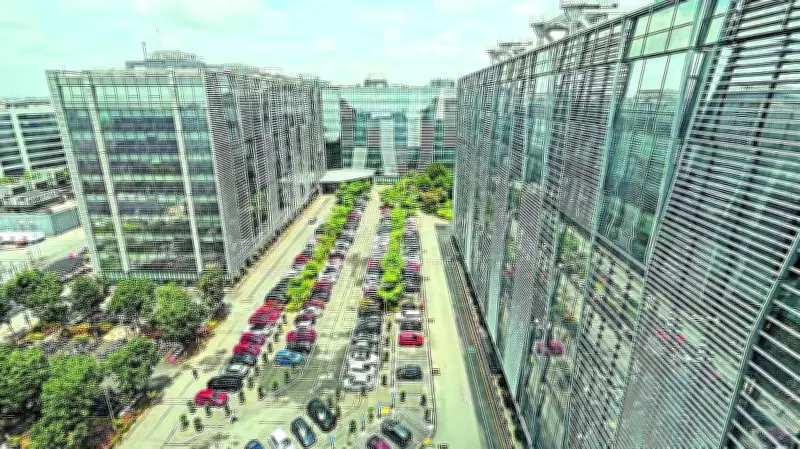
Bengaluru's White Water Revolution: How Apartments Are Powering IT Hubs
In a groundbreaking initiative to combat severe water scarcity, Bengaluru is witnessing a white water revolution where advanced greywater treatment systems are enabling apartments to supply treated water to IT parks and data centers. This innovative approach, driven by a robust public-private partnership, is significantly reducing freshwater dependence for industrial use while addressing the city's chronic water crisis.
The Mechanism Behind the Greywater Transformation
The process involves sophisticated treatment facilities installed in residential complexes that purify greywater—wastewater from sinks, showers, and laundry—to a high standard suitable for non-potable industrial applications. This treated water, often referred to as white water, is then piped to nearby IT parks and data centers, which traditionally consume vast amounts of freshwater for cooling and operational needs.
Benefits of the Public-Private Partnership Model
Key advantages of this collaborative model include:

- Reduced Freshwater Usage: By repurposing greywater, industries can cut their freshwater consumption by up to 40%, easing pressure on Bengaluru's strained water resources.
- Cost-Effectiveness: Apartments generate additional revenue by selling treated water, while IT parks benefit from a reliable and often cheaper alternative to municipal water.
- Sustainability Boost: This initiative aligns with environmental goals, reducing wastewater discharge and promoting circular economy principles in urban water management.
Impact on Bengaluru's Water Scarcity Crisis
With Bengaluru facing recurring water shortages, this revolution offers a scalable solution. The Bangalore Water Supply and Sewerage Board (BWSSB) has been instrumental in facilitating these partnerships, setting standards for water quality and infrastructure. Early adopters report significant improvements in water security, with some IT parks now sourcing over half their non-potable water from such treated supplies.
Future Prospects and Challenges
Looking ahead, experts predict that expanding this model could cover more industrial areas and even integrate with smart city initiatives. However, challenges remain, including the high initial investment for treatment plants and the need for continuous monitoring to ensure water quality. Despite this, the success so far highlights a promising path toward sustainable urban water management in India's tech capital.
This white water revolution not only showcases Bengaluru's innovative spirit but also sets a precedent for other water-stressed cities globally, demonstrating how collaboration between residents and industries can forge a more resilient future.