Bengaluru's Garment Industry: A Hidden Workforce in the Shadow of IT
While Bengaluru's IT sector, employing over 12 lakh people and generating export revenues of ₹4 lakh crore, often dominates headlines, the city's garment industry remains an unsung hero. This sector employs nearly five lakh individuals, with over 80 percent being women, yet it has historically stayed out of the spotlight. The garment industry in Karnataka, primarily centered in Bengaluru, is valued at around ₹75 crore and contributes to 20% of national garment production and exports.
Menstrual Leave Policy: A Step Toward Dignity and Productivity
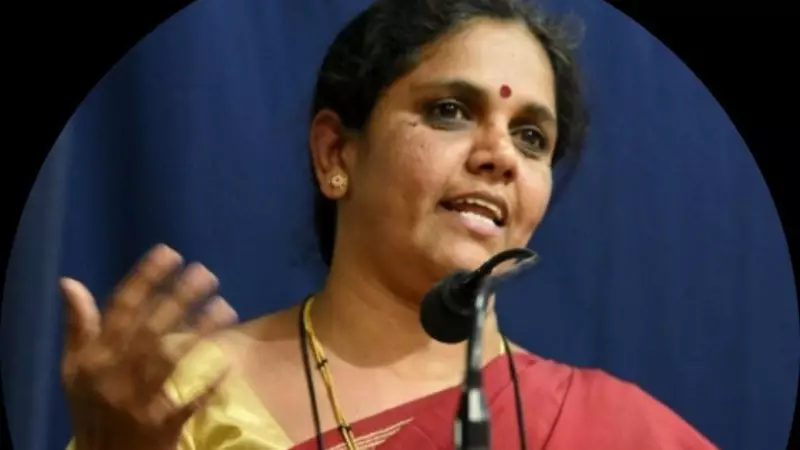
Pratibha R, a 52-year-old organizer of women garment workers in Bengaluru for the past 25 years, highlights a recent positive development: the Karnataka government's decision to introduce a menstrual leave policy. Pratibha, who was part of a government-appointed committee recommending this policy, emphasizes its importance for women's health, dignity, and productivity on factory floors. "For the garment sector workers, it is a great policy. This is vital for the women who are toiling every day. It cannot be generalized that all will experience menstrual pain and will require leave. It is an opportunity for workers who do," she says. However, she notes that factories are hesitant to implement it, citing a high court stay, while activists argue for its enforcement as paid leave.
Pratibha R's Journey: From Worker to Union Leader
Pratibha's firsthand experience in the garment industry began in 1996 when she worked at Garment International Private Ltd on Lalbagh Road. After facing dismissal for union activities, she transitioned to organizing workers, eventually becoming the head of the Garment and Textile Workers Union (GATWU). Over the years, she has earned a double master's degree and completed a doctoral thesis on women's labor in the globalized garment industry. Her work has focused on battling low wages, with basic salaries as low as ₹12,800 per month, compared to ₹18,000 in other scheduled employments.

Challenges in Organizing Garment Workers
The garment industry faces numerous challenges, including:
- High turnover: Workers often leave due to low wages and demanding work environments, with new migrants from Assam and Chhattisgarh adding to the complexity.
- Political and corporate changes: Pratibha notes that the industry is constantly evolving, with factories shutting down unexpectedly, as seen when a factory with 1,500 unionized workers closed overnight.
- Global pressures: Tariffs imposed by the US under President Donald Trump have created unpredictability, though current orders remain stable.
- Ease of doing business: Government policies have led to diluted labor norms, with factories often ignoring requirements for creches and canteens.
The Ongoing Struggle for Workers' Rights
Pratibha emphasizes that the fight for garment workers' rights is never-ending. "There is always a new set of workers arriving, and as a result, our work is never ending to educate them about their rights," she says. Despite setbacks, such as factories closing after years of union efforts, she remains motivated by the highs and lows of organizing. The union has successfully advocated for higher minimum wages, but challenges persist, including companies offering attendance bonuses to encourage long hours instead of fair wages.
As Bengaluru's garment industry continues to operate in the shadows, activists like Pratibha R work tirelessly to ensure that the voices of its predominantly female workforce are heard, with the menstrual leave policy representing a crucial step forward in this ongoing battle.