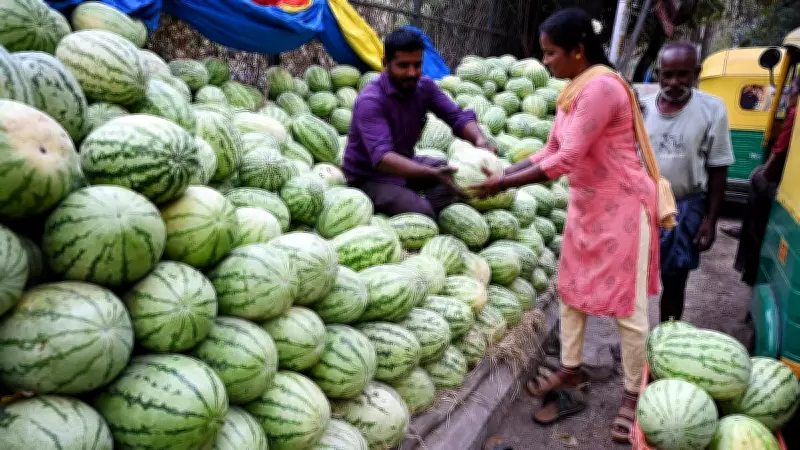
Market Oversupply Triggers Sharp Decline in Bengaluru Fruit Prices
A substantial glut in the fruit market has resulted in a notable drop in prices across Bengaluru, providing relief to consumers but posing challenges for local farmers and vendors. The oversupply, driven by increased production and favorable weather conditions, has flooded markets with a variety of fruits, leading to competitive pricing and reduced profit margins.
Factors Behind the Price Drop
The primary reason for the price decline is an excess supply of fruits such as bananas, mangoes, and citrus varieties. This oversupply stems from:
- Bumper harvests due to optimal monsoon rains and improved agricultural practices.
- Increased imports from neighboring states, adding to the local stock.
- Reduced export demand, causing more produce to remain in the domestic market.
As a result, vendors are forced to lower prices to clear inventory, with some fruits now selling at nearly half their usual rates. For instance, bananas that typically cost around ₹40 per kilogram are now available for as low as ₹20, while mango prices have also seen a significant reduction.

Impact on Stakeholders
While consumers are enjoying affordable fruit options, the situation has created a mixed impact on other stakeholders:
- Farmers: Many are facing financial strain as the low prices do not cover production costs, leading to potential losses.
- Vendors: Retailers and wholesalers are struggling with slim profit margins and increased competition.
- Economy: The glut could affect the local agricultural economy if not managed properly, with calls for government intervention to stabilize prices.
Experts suggest that this trend might be temporary, but it highlights the need for better market regulation and supply chain management to prevent such fluctuations in the future.