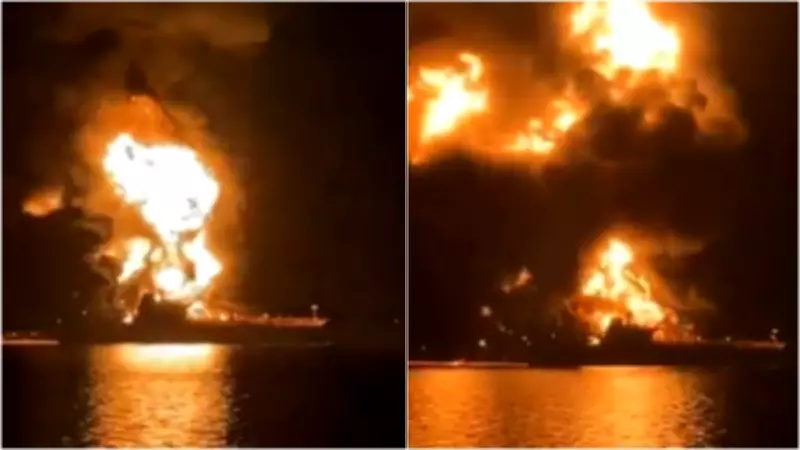
Indian Seafarer Killed in Iran Suicide Boat Attack on US Tanker at Basra Port
A tragic maritime incident has resulted in the death of an Indian seafarer after an Iranian suicide boat targeted a US-owned oil tanker at the strategic Basra port in Iraq. The attack, which occurred on March 12, 2026, has sent shockwaves through the international community, highlighting escalating tensions in the volatile Persian Gulf region.
Details of the Attack and Immediate Aftermath
According to reports, the Iranian suicide boat deliberately rammed into the US-owned oil tanker while it was docked at the Basra port, a key hub for Iraq's oil exports. The collision caused significant structural damage to the vessel, including a breach in its hull and minor fires that were quickly extinguished by the crew and port authorities. The Indian seafarer, whose identity has not been officially released pending notification of family, was fatally injured during the impact and succumbed to his wounds despite immediate medical efforts.
Initial assessments indicate that the attack was a premeditated act, with the suicide boat being operated remotely or by a pilot who perished in the explosion. Security footage from the port shows the small craft accelerating toward the tanker before impact, suggesting a coordinated strike aimed at disrupting maritime operations and sending a political message.

International Reactions and Condemnations
The incident has prompted swift condemnations from multiple nations and international bodies. The Indian government expressed deep sorrow over the loss of its citizen and called for a thorough investigation, urging all parties to exercise restraint. External Affairs Ministry officials are in contact with Iraqi authorities to repatriate the seafarer's remains and provide consular assistance to the family.
The United States strongly condemned the attack, labeling it as an act of terrorism that threatens global energy security. A spokesperson for the US State Department emphasized that such provocations will not go unanswered and called for enhanced maritime security measures in the region. Meanwhile, Iran has not officially claimed responsibility, but regional analysts link the attack to ongoing proxy conflicts and tensions between Iran and Western powers.
Impact on Regional Stability and Oil Markets
This attack raises serious concerns about the safety of commercial shipping in the Persian Gulf, a critical corridor for global oil supplies. The Basra port, responsible for handling a significant portion of Iraq's crude oil exports, temporarily suspended operations following the incident, leading to minor disruptions in oil shipments. However, officials have assured that normalcy will be restored soon with increased security patrols.
Oil prices experienced a slight uptick in response to the news, reflecting market jitters over potential supply chain interruptions. Industry experts warn that repeated attacks could lead to higher insurance premiums for vessels operating in the area, ultimately affecting global energy costs.
Investigation and Future Implications
Iraqi security forces, in collaboration with international agencies, have launched a comprehensive investigation into the attack. Preliminary findings suggest that the suicide boat originated from Iranian waters, though definitive proof is still being gathered. The probe will focus on identifying the perpetrators and assessing any lapses in port security that allowed the breach.
This incident underscores the fragile security environment in the Middle East, where maritime routes are increasingly becoming flashpoints for geopolitical rivalries. It also highlights the risks faced by seafarers from countries like India, who form a large part of the global maritime workforce. Moving forward, stakeholders are likely to advocate for stricter international regulations and cooperative security frameworks to prevent similar tragedies.