Amritsar's Papad Industry Reels Under Hing Crisis Amid Geopolitical Tensions
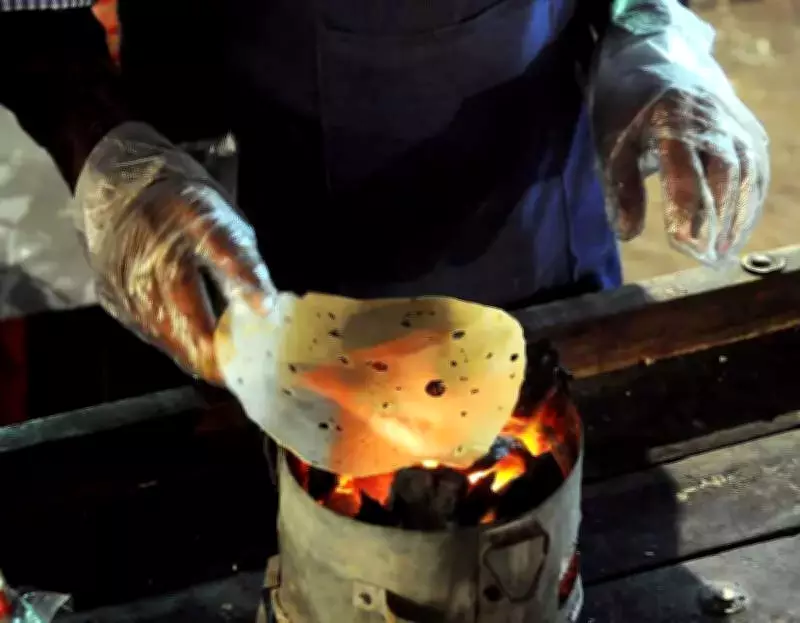
The iconic papad-wariyan industry in Amritsar is grappling with a severe crisis as disruptions in hing imports from Iran and Afghanistan have triggered a sharp price surge, squeezing both manufacturers and consumers. This essential ingredient, crucial for flavoring traditional Punjabi and Marwari dishes, has seen its cost rise by 5% to 15% per kilogram in recent months, driven by supply chain issues linked to escalating conflicts in the Middle East.
Supply Chain Disruptions and Price Escalation
According to traders, hing imports have nearly halted following the escalation involving the US, Israel, and Iran. Vipul Nevatia, a hing trader, explained, "The supply chain has been severely hit, and prices have been rising steadily since." Hing, a gum resin derived from the roots of 'Ferula' plants native to Iran, is vital for enhancing the taste of papad and lentil dumplings, making its shortage particularly impactful for small-scale manufacturers in Amritsar.
India's Hing Consumption and Market Impact
India stands as one of the largest consumers of hing, importing an estimated 1,200 to 1,500 tonnes annually, primarily from Iran and Afghanistan. The domestic hing market is valued at approximately Rs 600 to 800 crore. Punjab, with its robust food processing sector, accounts for a significant share, consuming 40 to 60 tonnes yearly. Avtar Singh, a papad-wariyan manufacturer, noted, "We feared a supply disruption and price escalation, and that is exactly what has happened. Our products are in high demand among tourists visiting Amritsar from across the world, but rising input costs are now affecting margins."

Risks of Adulteration and Economic Strain
As prices soar, traders warn of increasing adulteration in the market. Genuine Iranian hing costs nearly Rs 30,000 per kilogram, while counterfeit variants—often made from maida mixed with artificial hing essence—are sold for a few hundred rupees per kilogram. This poses a significant risk to food quality and consumer health. The crisis threatens dozens of small and medium manufacturers in Amritsar, a key hub for traditional food products, who rely on steady hing supplies to maintain their operations and cater to global demand.
The situation underscores the broader economic impact of geopolitical conflicts on local industries, highlighting the need for diversified supply chains and support for affected businesses in the region.