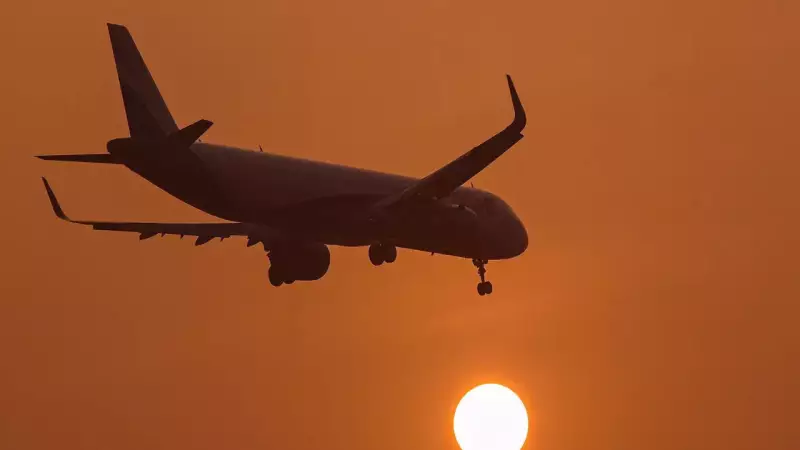
European aerospace giant Airbus is confronting renewed operational headaches, exposing the persistent fragility of its extensive global supply network. The company's ambitious production plans have hit a snag due to quality lapses at a supplier and a technical fault in its best-selling jet family, underscoring the broader strains still plaguing the aviation sector years after the pandemic.
Quality Lapses and Technical Troubles Ground Progress
The past week delivered a one-two punch to the planemaker. Early Wednesday, Airbus was compelled to reduce its longstanding annual aircraft delivery target. This decision came after the discovery that a lesser-known Spanish supplier had provided aircraft panels for the A320 family that did not meet specifications. This issue, affecting the fuselage, has triggered detailed inspections for over 600 aircraft, both in service and on the production line.
Just days earlier, on Friday, the company issued an urgent directive calling for a software update across approximately 6,000 A320 aircraft worldwide. The update addresses a potential fault identified in the interface between the jet's onboard computers and its flight-control system.

"The pressures of quarterly results, sometimes the pressures of competition, probably the quality drops a little bit," remarked Tony Fernandes, founder of major Airbus customer AirAsia, in comments cited by Bloomberg. "It’s a good warning for everybody."
Investor Jitters and Boeing's Contrasting Fortunes
The twin setbacks rattled financial markets, leading to Airbus's worst trading day since April 2024. The decline stood in stark contrast to the fortunes of its arch-rival, Boeing. The US manufacturer enjoyed its strongest stock gains in months, with shares soaring up to 10%, after presenting a series of optimistic forecasts.
Boeing projected increased deliveries of its 737 and 787 jets next year and a long-awaited return to positive cash flow. This upbeat outlook signals a steady comeback under new CEO Kelly Ortberg, who has overhauled management and refocused operations. Boeing has also benefited from strong political backing, with the US administration frequently leveraging its aircraft orders in international trade discussions.
The Uphill Battle of Ramping Up Production
Despite the recent troubles, Airbus's challenges are not on the scale of the profound crisis Boeing endured, which was marked by fatal crashes, a pandemic, production halts due to strikes, and a mid-air incident in early 2024. Airbus has already resolved the software issue over a weekend to minimise disruption and expects most inspected panels to be compliant.
However, the revised delivery timeline means airlines will face longer waits for new aircraft at a time when carriers are desperately seeking to expand and upgrade their fleets to capitalise on booming global travel demand.
The core dilemma for both aerospace titans remains identical. As Airbus targets a rate of 75 A320-family jets per month by 2027 and Boeing ramps up 737 output, both must find a way to scale production dramatically without compromising on quality, all while relying on a global supply chain that has repeatedly proven its vulnerability.