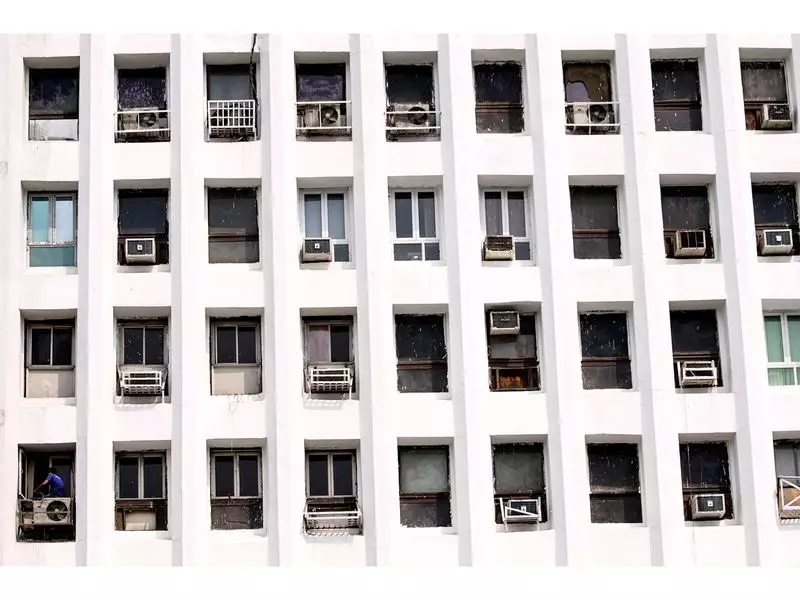
Indian consumers planning to beat the heat this summer will need to dig deeper into their pockets. The price of air conditioners is set to increase significantly, with industry reports indicating a hike of 7 to 8 percent. This surge is directly linked to the implementation of new, stricter energy efficiency norms introduced by the Bureau of Energy Efficiency (BEE).
What Are the New Star Rating Norms?
The primary driver behind the impending price rise is the revised star rating system for air conditioners, which came into effect on January 1, 2024. The Bureau of Energy Efficiency has recalibrated the standards to promote higher energy savings. Under the new norms, an air conditioner that was previously rated 5-star will now be classified as a 3-star model.
This shift means manufacturers must incorporate more advanced and costly technology to achieve the higher star ratings that consumers seek. The upgrades involve using better components, such as improved compressors and heat exchangers, to meet the elevated Energy Efficiency Ratio (EER) requirements. These changes in production and sourcing are translating into increased costs, which will ultimately be passed on to the buyer.

Impact on Consumers and Market Dynamics
The timing of this price adjustment is crucial, as it coincides with the onset of the peak summer season—the period of highest demand for cooling products across India. A price increase of 7-8% represents a substantial additional burden for households already grappling with inflation.
For example, a popular 1.5-ton split AC currently priced around Rs. 35,000 could see its cost rise by approximately Rs. 2,500 to Rs. 2,800. Industry stakeholders confirm that while the new ratings aim for long-term energy savings and environmental benefits, the immediate financial impact on consumers is inevitable. The market is expected to see a mix of old stock (with the previous ratings) and new, compliant models in the coming months, with prices varying accordingly.
Long-Term Savings vs. Short-Term Cost
While the upfront cost is rising, the new norms are designed with a long-term perspective. Air conditioners meeting the updated standards will consume less electricity, leading to lower power bills over the appliance's lifespan. The Bureau of Energy Efficiency's goal is to push the industry toward greater innovation in energy conservation, aligning with broader national objectives for reduced power consumption and carbon emissions.
However, this transition poses a challenge for manufacturers as well, who must manage supply chains and production costs while educating consumers about the value proposition of paying more now for efficiency gains later. The coming season will test consumer willingness to invest in higher-priced, energy-efficient models versus seeking out any remaining older, lower-star-rated stock.
In summary, the Indian consumer is facing a double-edged sword this summer: the necessity to cope with rising temperatures and the new reality of higher prices for cooling comfort, all driven by regulatory changes aimed at a greener future.