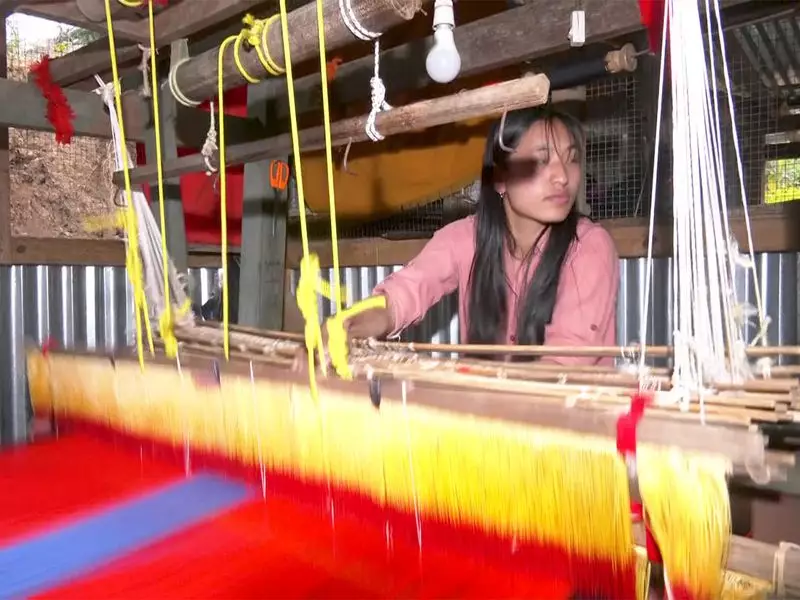
In a significant move to rejuvenate the region's rich artisanal heritage, the administration of Jammu and Kashmir has installed a total of 213 traditional spinning wheels, known as 'Charkhas', across the Kashmir Valley. This initiative, spearheaded by the Handicrafts and Handloom Department, aims to provide direct support to local artisans and weavers, fostering economic empowerment and preserving a timeless craft.
A Strategic Boost for Handicrafts
The installation drive is a core component of a broader strategy to strengthen the handicrafts sector, which is a vital pillar of the Union Territory's economy and cultural identity. Officials confirmed that these spinning wheels have been strategically placed in various craft-intensive clusters and villages to ensure maximum accessibility for the artisan community. The primary goal is to facilitate easier production of high-quality hand-spun yarn, which forms the foundation for renowned Kashmiri products like Pashmina shawls and fine woolen textiles.
The project was officially launched on October 2, 2023, aligning with Gandhi Jayanti, a day deeply connected to the symbolism of the Charkha. Since then, the department has been actively identifying and equipping artisans with this essential tool. The initiative directly addresses a key need in the supply chain, ensuring artisans are not dependent on externally sourced yarn and can have greater control over the quality and authenticity of their raw material.

Empowering Artisans and Preserving Tradition
This intervention is expected to have a multi-faceted impact. Firstly, it reduces production costs for weavers by bringing the initial spinning process in-house. Secondly, it helps in preserving the authentic techniques of hand-spinning that are at risk of fading in the face of mechanization. By making the Charkha readily available, the administration is not just providing equipment but is actively incentivizing the younger generation to take up this traditional craft, ensuring its continuity.
Department officials have emphasized that this is more than a distribution program; it is integrated with training sessions to ensure artisans can utilize the wheels effectively to enhance their productivity and output quality. The focus is on creating a sustainable ecosystem where traditional craftsmanship can thrive as a viable and respectable livelihood.
Future Roadmap and Economic Implications
The installation of the 213 spinning wheels is seen as a foundational step. The Handicrafts and Handloom Department has outlined plans for further supportive measures, which include design innovation workshops, better market linkages, and branding initiatives for 'Kashmir Made' products. The overarching vision is to boost the export potential of Kashmiri handicrafts by reinforcing the authenticity and finesse that begins at the spinning stage.
This initiative is poised to strengthen the rural economy by generating increased employment opportunities in craft clusters. It aligns with the national and UT-level objectives of promoting indigenous industries under the 'Vocal for Local' and 'Make in India' campaigns. The revival of the Charkha in its homeland is a powerful symbol of self-reliance and a strategic investment in the cultural and economic capital of Kashmir.