Government Releases Draft Income Tax Rules 2026 with Sweeping Changes
Days after Finance Minister Nirmala Sitharaman's Budget 2026 announcement, the Central Board of Direct Taxes (CBDT) has unveiled draft rules and forms for public consultation pertaining to the New Income Tax Act, 2025. These proposed Income Tax Rules, 2026, introduce several significant modifications aimed at modernizing tax compliance and adjusting monetary thresholds to reflect current economic realities.
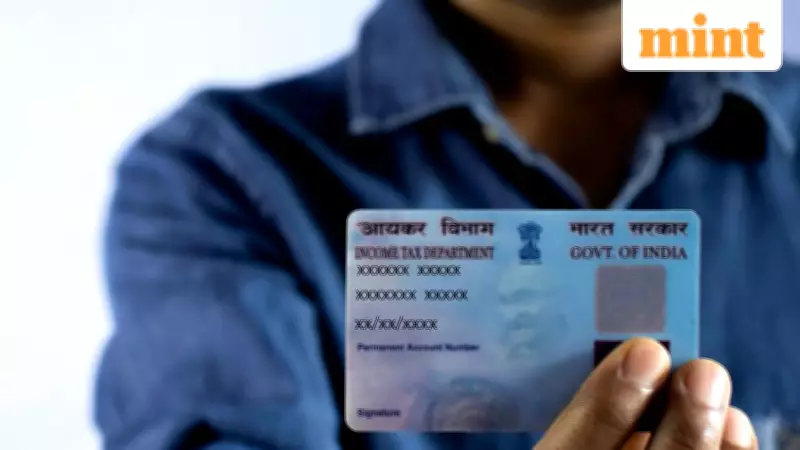
Major Revisions to PAN Quoting Requirements
The draft rules specify where quoting Permanent Account Number (PAN) will become mandatory, with notable increases in monetary thresholds across multiple transaction categories.
Cash Transactions: Under the proposed rules, quoting PAN will be compulsory for making cash deposits or withdrawals aggregating to ₹10 lakh or more in a financial year across one or more accounts of an individual. This marks a substantial change from the current requirement, where PAN is mandatory only for cash deposits exceeding ₹50,000 during any single day with a banking company or cooperative bank.

Motor Vehicle Purchases: The monetary threshold for quoting PAN while purchasing motor vehicles has been revised significantly. Buyers will now need to provide PAN when purchasing motor vehicles, including motorcycles, if the price exceeds ₹5 lakh. Presently, there is no provision for quoting PAN for two-wheeler purchases, and for other motor vehicles, PAN quoting was mandatory regardless of price.
Hospitality Sector: The hospitality industry will see changes as well. For hotel or restaurant bills, payments made to convention centers, banquet halls, or event management professionals, PAN will become mandatory if the payment exceeds ₹1 lakh. The current Income Tax Rules specify a ₹50,000 threshold for quoting PAN in such cases.
Property Transactions: The threshold for quoting PAN in property transactions has been doubled. Currently, the limit for purchase, sale, gift, or joint development agreements of any immovable property is set at ₹10 lakh. Under the draft income tax rules, this threshold increases to ₹20 lakh.
Insurance Premiums: PAN will become mandatory for initiating an account-based relationship with an insurance company. Presently, payments aggregating to more than ₹50,000 in a financial year as life insurance premium require PAN.
Additional Key Proposals in Draft Rules
The draft further proposes raising the value of perquisites provided by employers, though specific details on the revised amounts are yet to be disclosed. More notably, the rules make it compulsory for cryptocurrency exchanges to share information with the income tax department, marking a significant step toward regulating digital asset transactions.
Additionally, the draft includes Central Bank Digital Currency (CBDC) as an accepted mode of electronic payment, recognizing the evolving landscape of digital finance.
Implementation Timeline and Process
The New Income Tax Act, 2025, is scheduled for implementation from April 1, 2026, following the finalization of the New Income Tax Rules. The CBDT will finalize these rules after stakeholder consultation and is expected to notify them by the first week of March, according to sources within the Finance Ministry familiar with the matter.
Key Takeaways from Draft Income Tax Rules 2026
- The PAN threshold for hotel and restaurant bills increases from ₹50,000 to ₹1 lakh.
- Cash withdrawals or deposits of ₹10 lakh or more will require PAN from April 2026.
- Motor vehicle purchases above ₹5 lakh will now mandate PAN quoting.
- Property transaction thresholds double from ₹10 lakh to ₹20 lakh.
- Insurance premium payments and crypto transactions face new reporting requirements.
- CBDC gains recognition as a valid electronic payment method.
The draft rules are currently open for public comments, allowing stakeholders to provide feedback before finalization. This comprehensive overhaul aims to streamline tax compliance while addressing emerging financial trends and inflationary adjustments in transaction values.