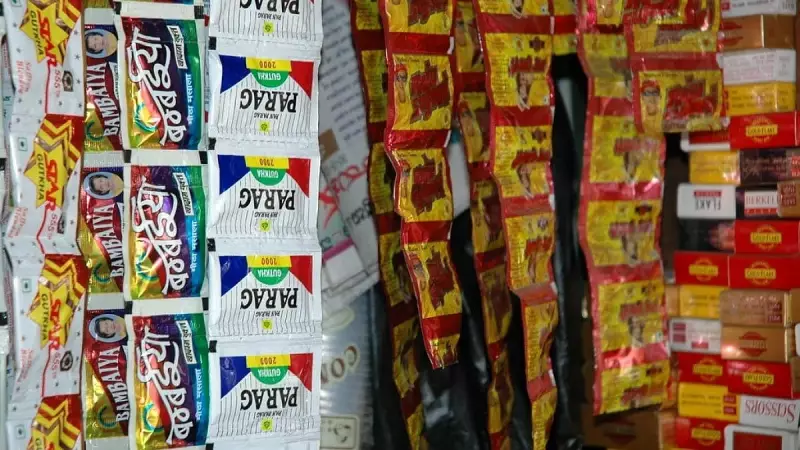
In a significant move aimed at public health and revenue generation, the Indian government introduced a new legislative proposal in the Lok Sabha on Monday, December 1, 2025. The bill, named the 'Health Security se National Security Cess Bill, 2025', seeks to impose a special levy on specific products deemed harmful to health.
What Does The New Bill Propose?
The core of the proposed legislation is the introduction of a new cess called the 'Health Security se National Security Cess'. This cess is designed to be applied selectively once the existing GST compensation cess period concludes. The bill outlines a dual tax structure for two categories of products.
For tobacco and related products, the sale will attract the standard Goods and Services Tax (GST) plus an excise duty. However, for pan masala, the taxation will be different. It will be subject to GST plus the newly proposed Health Security se National Security Cess.

Timing and Legislative Context
The bill was tabled in the lower house of Parliament, the Lok Sabha, on 01 December 2025. This move indicates the government's intent to create a sustained revenue stream from products with established health risks, even after the sunset of the GST compensation mechanism.
The current framework uses a compensation cess on sin goods to fund states for any revenue loss due to the GST rollout. The new bill effectively plans for the post-compensation cess era, ensuring continued high taxation on these items.
Potential Implications and Rationale
The proposed tax structure has clear implications. By levying a separate 'Health Security' cess specifically on pan masala, the government is signaling a targeted approach. This could be aimed at curbing consumption through fiscal disincentives while earmarking funds for national security, potentially linking public health burdens to broader security concerns.
For the tobacco industry, the continuation of GST coupled with excise duty maintains the high-tax regime. The differentiation in treatment between tobacco and pan masala suggests a nuanced policy, possibly based on consumption patterns, revenue potential, or the specific health hazards associated with each product category.
This legislative step, introduced by Finance Minister Nirmala Sitharaman's ministry, aligns with global best practices of using taxation as a tool for public health intervention. The revenue generated from this cess is ostensibly intended to bolster resources linked to national security, creating a direct, though symbolic, connection between public wellness and the country's safety apparatus.