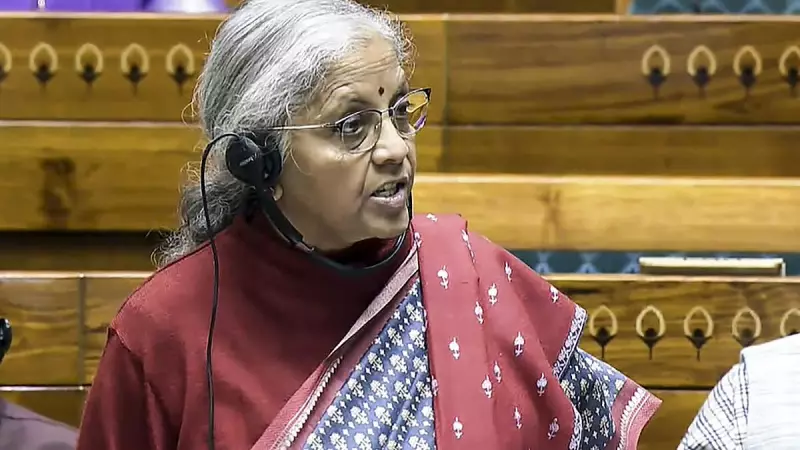
Finance Minister Nirmala Sitharaman introduced two significant pieces of legislation in the Lok Sabha on Monday, aiming to reshape the taxation framework for tobacco products and pan masala. The move marks a strategic shift in the government's fiscal policy concerning these goods.
Key Bills Tabled in Parliament
The two bills presented are The Central Excise (Amendment) Bill, 2025 and a separate bill to levy a cess on pan masala. The primary objective of the Central Excise Bill is to replace the existing GST compensation cess that is currently applied to a range of tobacco products. This legislative action was taken on 01 December 2025.
What the Central Excise (Amendment) Bill Entails
The proposed amendment seeks to impose a central excise duty on manufactured tobacco. It will cover all major tobacco products that were previously under the GST compensation cess umbrella. The comprehensive list includes:

- Cigarettes
- Chewing tobacco
- Cigars
- Hookah tobacco
- Zarda
- Scented tobacco
This change effectively transitions the levy from a GST-related cess to a dedicated excise duty, bringing it under a different fiscal mechanism.
Separate Cess on Pan Masala
Alongside the tobacco bill, the Finance Minister introduced a distinct legislative proposal to impose a cess on pan masala. While the specific rate and structure of this cess were detailed in the bill's provisions, its introduction signals the government's continued focus on generating revenue from tobacco-related and smokeless products, which have significant public health implications.
Implications and Next Steps
The introduction of these bills is the first formal step in the legislative process. They will now be scrutinized, potentially debated, and voted upon by the members of the Lok Sabha. If passed, the new excise duty and cess structure will have direct consequences for manufacturers and the pricing of these products in the market.
This policy shift aligns with broader public health goals by maintaining fiscal disincentives for tobacco consumption while ensuring a streamlined tax framework post the GST compensation period. The government's move underscores its dual focus on revenue generation and health policy.