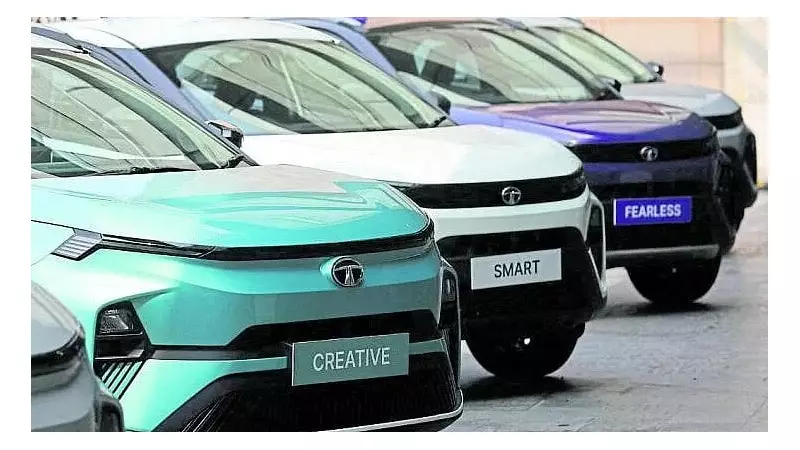
India's automobile sector has experienced an unprecedented surge in sales following the recent reduction in Goods and Services Tax (GST) rates on vehicles, marking one of the most significant boosts to the industry in recent years.
Historic Sales Figures Following Tax Reform
The automotive industry recorded remarkable sales figures in November 2023, with passenger vehicle sales reaching approximately 334,000 units. This represents one of the highest monthly sales figures in the industry's history, demonstrating the immediate impact of the GST reduction.
Two-wheeler sales showed particularly strong performance, with major manufacturers reporting substantial growth. Hero MotoCorp, the country's largest two-wheeler maker, reported selling over 1.4 million units in November alone. Other key players including Honda Motorcycle and Scooter India, TVS Motor Company, and Bajaj Auto also reported significant increases in their sales numbers.

Government Intervention Sparks Industry Revival
The GST Council's decision to reduce tax rates on various vehicle categories came as a strategic move to stimulate demand in the automotive sector. The tax cut affected multiple segments of the industry, making vehicles more affordable for consumers across different price points.
Industry experts attribute the sales surge directly to the reduced tax burden, which has made vehicles more accessible to middle-class consumers. The timing of the tax cut proved particularly effective, coinciding with the festive season when vehicle purchases traditionally increase.
The tax reduction has benefited both manufacturers and consumers, creating a win-win situation for the entire automotive ecosystem. Manufacturers have been able to clear existing inventory while consumers have gained from lower prices and improved affordability.
Broader Economic Implications
The record sales figures have generated positive ripple effects throughout the economy. The automotive sector, being a significant contributor to India's GDP and employment, has seen renewed investor confidence and improved market sentiment.
Ancillary industries including auto components, steel, rubber, and logistics have also experienced increased business activity. The sales boom has particularly helped in reviving the commercial vehicle segment, which is often considered a key indicator of economic health.
Industry leaders have expressed optimism about sustained growth in the coming months, citing continued consumer demand and favorable market conditions. The government's proactive approach in implementing the GST reduction has been widely praised by industry stakeholders.
As the automotive sector continues its upward trajectory, analysts predict that the positive momentum will contribute significantly to India's economic recovery and industrial growth in the forthcoming quarters.