

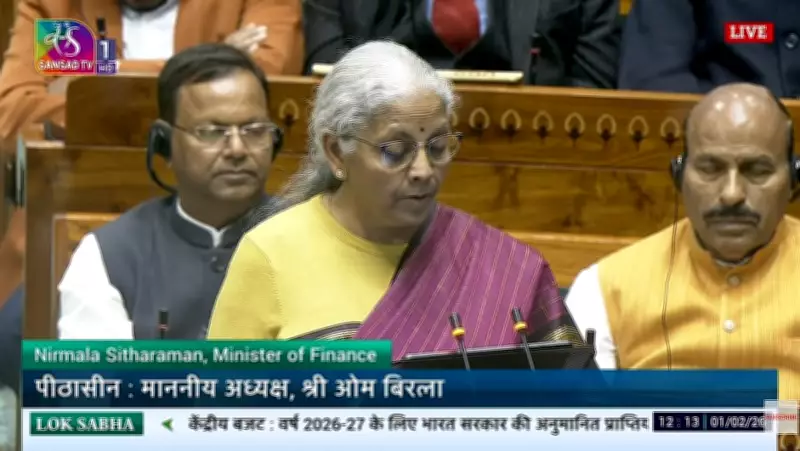
The Union Budget documents for the fiscal year have unveiled a significant insight into the government's revenue structure, projecting that direct and indirect taxes will collectively yield 64 paise of every rupee flowing into the state coffers. This revelation underscores the heavy reliance on taxation as a primary source of funding for public expenditures and developmental initiatives across India.
Detailed Breakdown of Tax Contributions
According to the budget papers, the combined contribution from direct taxes, which include income tax and corporate tax, along with indirect taxes such as GST and customs duties, is estimated to account for nearly two-thirds of the total government revenue. This figure highlights the critical role that taxation plays in sustaining the nation's fiscal health and supporting various welfare schemes.
Implications for Economic Policy
The projection of 64 paise per rupee from taxes suggests a robust tax collection mechanism, but it also raises questions about the balance between tax revenue and other sources like disinvestment or borrowings. Economists point out that this reliance could impact disposable incomes and consumer spending, potentially influencing broader economic growth.

Key factors driving this tax yield include:
- Enhanced compliance measures and digitalization efforts under GST.
- Economic recovery post-pandemic boosting corporate profits and personal incomes.
- Strategic adjustments in tax rates and slabs to optimize collections.
Future Outlook and Challenges
Looking ahead, the government aims to further streamline tax administration to increase efficiency and reduce evasion. However, challenges such as global economic uncertainties and domestic inflationary pressures could affect tax revenues. The budget's focus on maintaining this tax contribution level will be crucial for funding infrastructure projects and social programs.
In summary, the Union Budget's emphasis on direct and indirect taxes contributing 64 paise per rupee reflects a deliberate fiscal strategy aimed at ensuring stable revenue streams for national development.






