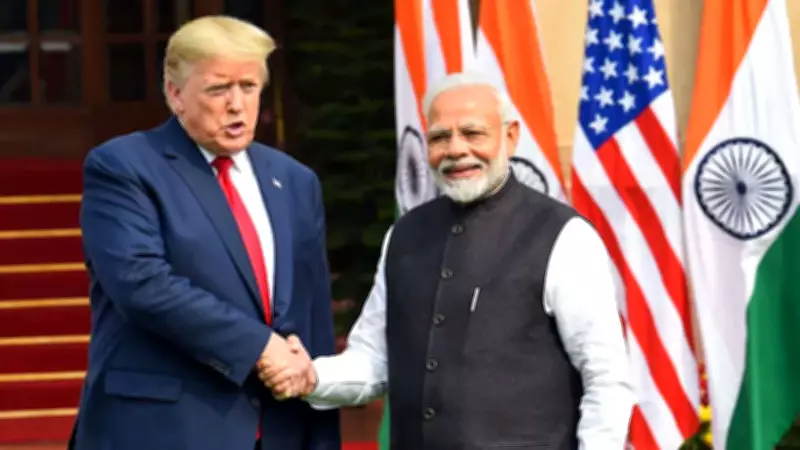
The United States has decided to retain India on its Special 301 Priority Watch List for the year 2026, pointing to inconsistent progress in the protection and enforcement of intellectual property rights (IPR). The decision was outlined in a report released by the Office of the United States Trade Representative (USTR), which specifically flagged concerns regarding India's patent regime. The report highlights barriers faced by foreign pharmaceutical companies, including delays in patent approvals and gaps in data protection frameworks.
Key Concerns Raised by the USTR
The USTR report also draws attention to weak enforcement of copyrights and trademarks within India. It notes high levels of counterfeiting and elevated tariffs on IP-intensive sectors as additional areas of concern. While acknowledging that India has taken some steps to strengthen its intellectual property ecosystem, the report maintains that progress remains uneven and insufficient to address the issues raised.
Implications for Trade Negotiations
The development comes at a time when India and the United States are engaged in ongoing trade negotiations. Intellectual property is expected to remain a key sticking point in these discussions, as the two countries work toward a broader trade agreement. The retention on the Priority Watch List underscores the persistent differences in IPR standards and enforcement mechanisms between the two nations.

India has consistently argued that its IP laws comply with international obligations and are designed to balance the interests of innovators with public health and access to medicines. However, the US maintains that stronger protections are necessary to foster innovation and attract investment in IP-intensive industries.