The Farmer India Refuses to See: A Deep Dive into Systemic Neglect
In the vast tapestry of India's economy and society, the farmer stands as a pivotal figure, yet one that often remains obscured in the shadows of national discourse. Despite agriculture employing nearly half of the country's workforce and contributing significantly to the GDP, the Indian farmer faces a profound crisis of recognition. This article explores the multifaceted challenges that render the farmer invisible, from policy failures to economic hardships, and underscores the urgent need for a paradigm shift in how India perceives and supports its agricultural backbone.
The Economic Struggles and Policy Gaps
The economic plight of Indian farmers is stark and multifaceted. Many operate on small, fragmented landholdings, which limit productivity and profitability. Low crop prices, coupled with high input costs for seeds, fertilizers, and irrigation, squeeze margins to a breaking point. Government policies, while well-intentioned, often fall short in implementation. Subsidies and support schemes, such as minimum support prices (MSP), are inconsistently applied, leaving farmers vulnerable to market fluctuations. This economic precarity is exacerbated by climate change, with erratic monsoons and extreme weather events destroying crops and livelihoods.
Moreover, the lack of adequate infrastructure in rural areas compounds these issues. Poor storage facilities lead to post-harvest losses, while limited access to credit forces farmers into debt traps. The recent farmer protests highlighted these grievances, yet the core problems persist, rooted in a system that fails to prioritize agricultural sustainability.

Social and Cultural Invisibility
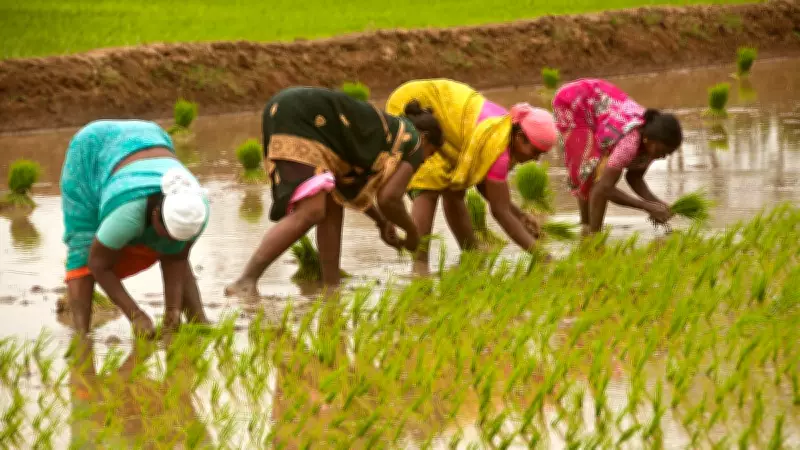
Beyond economics, the farmer's invisibility extends to social and cultural realms. In urban-centric media and political narratives, rural issues are often sidelined or sensationalized. Farmers are frequently portrayed as either victims of distress or beneficiaries of welfare, rather than as active agents of economic growth. This reductionist view ignores their resilience, innovation, and contributions to food security. The cultural disconnect between urban and rural India further deepens this divide, with many city-dwellers unaware of the daily struggles on farms.
Education and healthcare access in rural areas remain inadequate, perpetuating cycles of poverty. Younger generations are increasingly migrating to cities in search of better opportunities, leading to an aging farming population and a potential crisis in agricultural knowledge transfer.
The Path Forward: Recognition and Reform
Addressing the farmer's invisibility requires a holistic approach centered on recognition and substantive reform. Key steps include:
- Policy Overhaul: Implement consistent and transparent agricultural policies, such as guaranteed MSP for all crops, to ensure fair remuneration.
- Infrastructure Investment: Develop robust storage, transportation, and irrigation systems to reduce losses and enhance productivity.
- Climate Resilience: Promote sustainable farming practices and provide insurance against climate-related risks.
- Social Empowerment: Improve access to education, healthcare, and credit in rural areas to uplift farming communities.
- Media Representation: Foster balanced and nuanced portrayals of farmers in media to bridge the urban-rural divide.
In conclusion, the farmer India refuses to see is not a distant figure but the cornerstone of the nation's future. By acknowledging their struggles and enacting meaningful reforms, India can build a more equitable and sustainable agricultural sector. The time for action is now, before this crisis deepens further.