

Finance Minister Nirmala Sitharaman is poised to create history today, 1 February 2026, as she prepares to deliver her record ninth consecutive Budget speech. This landmark presentation will mark the first time in recent memory that the Union Budget is being presented on a Sunday, adding another distinctive chapter to the Narendra Modi-led government's transformative approach to fiscal governance.
A Decade of Symbolic and Structural Transformation
Since assuming power in 2014, the Modi administration has introduced numerous symbolic and structural modifications to India's Union Budget presentation. These changes reflect a comprehensive push toward modernization, enhanced transparency, and greater administrative efficiency. While the methodology of Budget preparation and presentation has evolved dramatically over the past ten years, its fundamental purpose—outlining the government's fiscal strategy for the coming year—remains steadfastly unchanged.
Revolutionizing the Budget Timeline
One of the earliest and most significant reforms occurred in 2017 when the government shifted the Budget presentation from the final working day of February to February 1. Historically, the Budget was presented toward the month's end, leaving minimal time for parliamentary approval before the new financial year commenced on April 1.

The revised timeline provides ministries and departments with the opportunity to initiate spending from the very beginning of the financial year. This adjustment has substantially improved policy implementation efficiency and prevented unnecessary delays in government expenditure, ensuring smoother operational workflows across various sectors.
Merging the Railway Budget
In another groundbreaking decision, the government integrated the Railway Budget with the Union Budget starting in 2017, concluding a 92-year-old tradition. Originally introduced during the British colonial era in 1924, the separate Railway Budget was frequently criticized for encouraging populist announcements rather than financially sustainable decisions.
Analysts emphasize that this merger was designed to instill greater fiscal discipline, facilitate more effective resource allocation, and seamlessly integrate railways into the government's overarching infrastructure and transport strategy. The consolidation has enabled a more holistic approach to national development planning.
From Colonial Briefcase to Indigenous 'Bahi Khata'
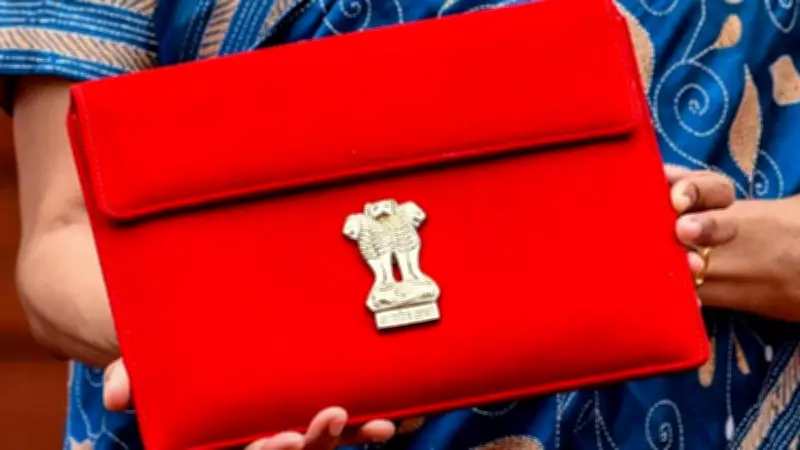
In 2019, Finance Minister Nirmala Sitharaman made a powerful symbolic statement by replacing the traditional leather briefcase—used for decades to carry Budget documents—with a 'bahi khata'. This red cloth-bound ledger is deeply rooted in Indian accounting traditions and represents a deliberate departure from colonial-era customs.
The shift to the 'bahi khata' was widely interpreted as an assertion of Indian cultural identity within the Budget's symbolism. It underscored the government's commitment to indigenizing administrative practices while maintaining fiscal rigor and transparency.
Embracing Digital Governance
Sitharaman further highlighted the transition toward digital governance in 2021 when the Union Budget was presented in a completely paperless format for the first time. The finance minister carried a tablet enveloped in a 'bahi khata'-style cover, signaling the administration's emphasis on technology-driven governance.
Since this pioneering move, Budget documents have been consistently made available in digital formats, significantly reducing paper consumption and enhancing public accessibility. This digital transformation aligns with the government's broader vision of a technologically advanced and environmentally conscious administration.
A Comprehensive Fiscal Evolution
Collectively, these reforms illustrate how the Modi government has redefined not only the content but also the conduct and symbolism of India's Union Budget. By aligning fiscal governance with principles of efficiency, reform, and digital transformation, the administration has established a new paradigm for economic planning and public accountability.

As Nirmala Sitharaman steps up to deliver her ninth Budget speech on this historic Sunday, the nation watches with anticipation, recognizing that each presentation builds upon a decade of meticulous restructuring aimed at fostering sustainable growth and inclusive development.





